How to Manage Your Personal Finances Using Credit Cards Responsibly
Importance of Responsible Credit Card Use
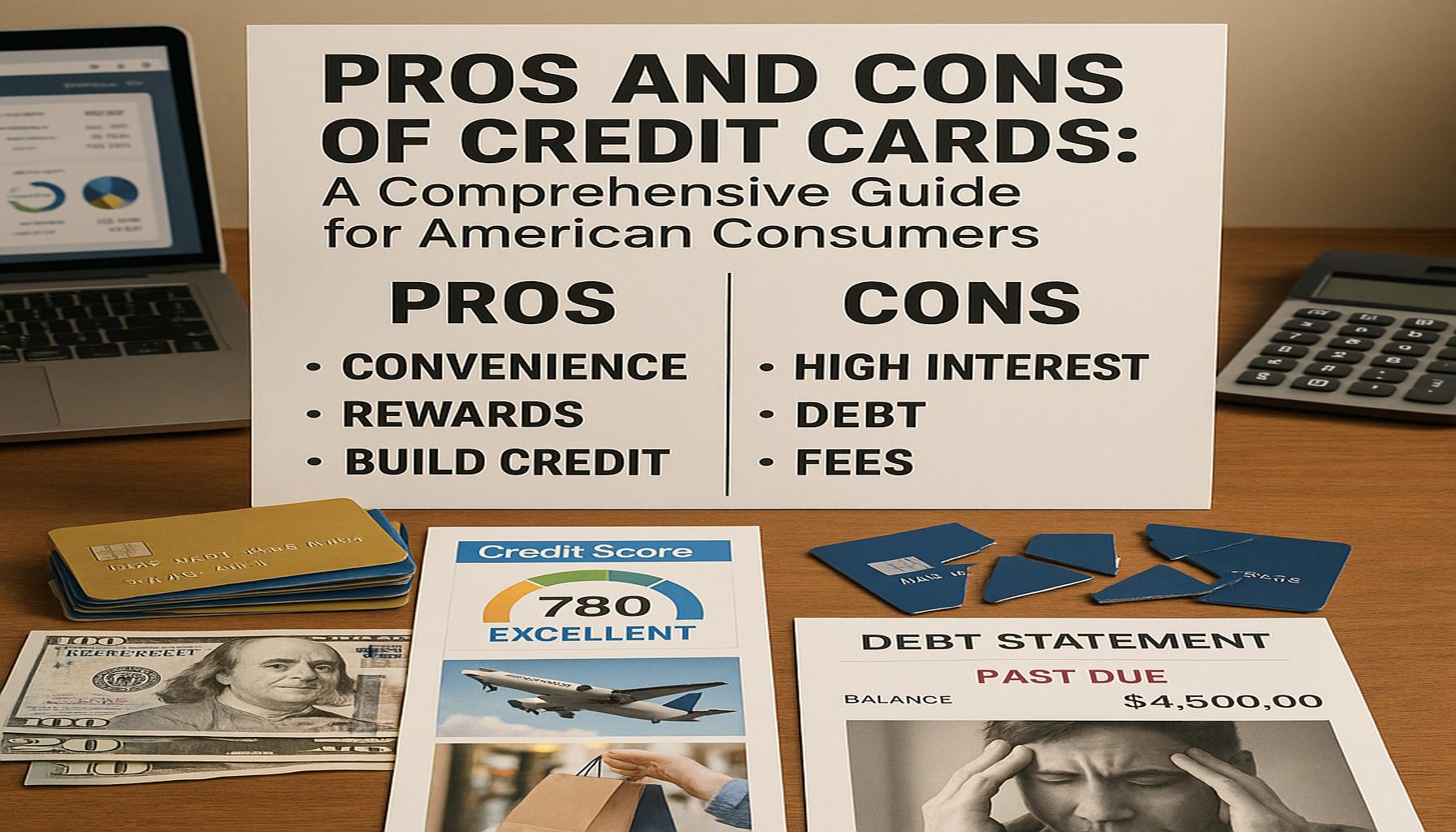
In today’s financial landscape, credit cards have become essential tools for managing personal finances effectively. While they offer numerous benefits, such as convenience and rewards, mismanagement can lead to significant debt and financial strain. Understanding how to utilize credit cards wisely is crucial for maintaining a healthy financial life.
Know Your Limits: An important first step is to stay informed about your credit limit. This is the maximum amount you can borrow on your credit card at any given time. It is vital to avoid exceeding this limit, as doing so may result in over-limit fees or declined transactions. For example, if your credit limit is $5,000, aim to keep your balance well below this threshold, ideally under 30% of the credit limit. This not only helps avoid penalties but positively impacts your credit utilization ratio, a key factor in determining your credit score.
Timely Payments: Paying your credit card bill on or before the due date is crucial to avoid late fees and high-interest charges. A missed payment can incur fees ranging from $25 to $40, depending on your card issuer and can also lead to a spike in your interest rate. Set reminders or consider automating payments through your bank account to ensure you never miss a due date. A consistent payment history boosts your credit score, as payment history constitutes approximately 35% of the FICO score calculation.
Maximize Rewards: Many credit cards offer rewards programs that can be very beneficial if used effectively. For instance, some cards provide cashback on certain categories like groceries, gas, or dining, which can align with your typical spending habits. Research different cards to find one that offers the most advantageous rewards for your lifestyle. For example, travel enthusiasts might benefit from cards that provide airline miles or hotel points, while frequent shoppers could opt for cards that reward with cashback for retail purchases.
Establishing good credit card habits not only enhances your purchasing power but also improves your credit score. According to the Consumer Financial Protection Bureau (CFPB), responsible credit card use can result in a better chance of qualifying for loans with favorable terms, such as lower interest rates and higher loan amounts. This is particularly important when considering major purchases, such as buying a home or a car, where your credit score plays a significant role in securing lending options.
Finally, it’s essential to develop an overall financial strategy that includes careful spending, budgeting, and ongoing monitoring of your financial health. Regularly check your statements for unauthorized transactions and evaluate your spending patterns to ensure you remain within your budget. By implementing these proven methods, you can enjoy the benefits of credit cards while safeguarding your personal finances from potential pitfalls.
SEE ALSO: Click here to read another article
Strategies for Effective Credit Card Management
To achieve effective management of personal finances using credit cards, it is essential to adopt specific strategies that promote responsible usage while maximizing benefits. The following practices can serve as a solid foundation for establishing a healthy credit card habit:
1. Create a Budget
Developing a budget is one of the most critical steps in managing your finances. A well-structured budget allows you to determine how much of your income can be allocated to various expenses, including credit card payments. When creating your budget, consider the following:
- Income: Assess all sources of income, including salaries, bonuses, and other earnings.
- Fixed Expenses: Identify monthly fixed expenses such as rent, utilities, and insurance.
- Variable Expenses: Account for variable costs like groceries, entertainment, and dining out.
- Debt Repayment: Include a specific amount to be paid toward credit card balances monthly.
By having a clear picture of your income and expenditures, you can ensure that your credit card spending remains within your financial capabilities.
2. Use Credit Cards for Planned Purchases
Using credit cards for planned purchases rather than impulse buys can significantly reduce the risk of accumulating unnecessary debt. Before making a purchase, ask yourself if it is a necessary expense. Evaluate how this purchase fits within your budget and verify if you can pay off the balance in full each month. This approach can lead to:
- Improved Financial Discipline: Planning your purchases promotes disciplined spending habits.
- Better Reward Utilization: Strategic use of credit cards can yield more rewards, as you are likely to spend on things you would purchase regardless.
- Minimized Interest Accrual: Paying off planned purchases promptly helps avoid interest charges, preserving your financial health.
3. Monitor Your Credit Card Activity Regularly
Regularly monitoring your credit card transactions is vital for preventing fraud and ensuring responsible use. By keeping track of your transactions, you can:
- Identify Unauthorized Charges: Early detection of fraudulent activity can help safeguard your finances.
- Stay Within Your Budget: Monitoring helps keep your spending in check and ensures you adhere to your financial goals.
- Adjust Spending Habits: Regularly reviewing your purchases can inform you of areas where you may need to cut back.
Consider using personal finance apps or tools provided by credit card issuers to facilitate tracking and analysis of your spending patterns. This proactive approach can prevent financial missteps while empowering you to make informed decisions about your expenditures.
By implementing these strategies, you can leverage the advantages of credit cards while minimizing risks associated with their use. Establishing a solid framework for credit card management is essential for achieving your broader financial goals and maintaining overall financial stability.
SEE ALSO: Click here to read another article
Enhanced Techniques for Responsible Credit Card Use
Managing personal finances with credit cards involves not only fundamental strategies but also advanced techniques that can elevate your financial management skills. By understanding the intricacies of credit card usage and the broader financial landscape, you can position yourself for long-term success. The following methodologies provide deeper insights into responsible credit card management:
4. Pay Your Balance in Full Each Month
One of the most effective ways to maintain financial health while using credit cards is to always pay your balance in full each month. This practice offers multiple benefits:
- Avoiding Interest Charges: By paying off your balance, you can sidestep interest rates that can significantly increase the cost of your purchases. According to the Federal Reserve, the average credit card interest rate was over 16% as of late 2022.
- Improving Your Credit Score: Payment history constitutes 35% of your credit score calculation. Consistently paying your balance in full enhances your creditworthiness.
- Financial Freedom: Paying in full reduces financial burden and supports a debt-free lifestyle, enabling you to utilize credit for its intended purposes without overwhelming debt.
5. Utilize Rewards and Cash Back Wisely
Many credit cards offer rewards programs that give you points, miles, or cash back on purchases. Understanding how to effectively leverage these bonuses can amplify your financial returns:
- Choose the Right Card: Select a credit card that aligns with your spending habits. If you frequently travel, a travel rewards credit card will likely yield more benefits than a general rewards card.
- Keep Track of Expiration Dates: Be aware of when rewards and points expire. This ensures that you maximize their use before they become void.
- Avoid Impulse Purchases: Only use rewards as an incentive for planned spending to prevent unnecessary debt. This discipline can enhance the value of rewards without straying from your budget.
6. Set Up Alerts and Automatic Payments
Automating your credit card management can significantly ease the burden of due dates and payment tracking. Setting up alerts and automatic payments can ensure you maintain responsible credit card usage:
- Payment Reminders: Utilize your credit card issuer’s alert system to receive notifications for upcoming payment due dates and billing statements. This proactive approach can prevent late payments, which can damage your credit score.
- Automatic Payments: Consider setting up automatic payments for at least the minimum amount due. This helps you stay on track and ensures that you do not miss payments during busy months.
- Monthly Spending Alerts: Configure alerts to notify you when your spending approaches your budget limits. This helps reinforce disciplined spending habits and keeps you aligned with your financial goals.
7. Understand Credit Card Terms and Conditions
Finally, being well-informed about your credit card’s terms and conditions is crucial to responsible management. Key areas to review include:
- Interest Rates: Familiarize yourself with the Annual Percentage Rate (APR) and be aware of the conditions under which rates can change.
- Fees: Investigate potential fees associated with late payments, foreign transactions, cash advances, and annual fees. Understanding these charges can help you avoid unexpected costs.
- Grace Periods: Learn about your card’s grace period to understand when interest accrues. Typically, you can avoid interest charges by paying your balance in full during this time.
By mastering these advanced techniques, you can expertly navigate your credit card use, ensuring it serves as a tool for financial success rather than a source of stress. Understanding the full scope of your credit card mechanics empowers you to make informed financial decisions and encourages a sense of financial responsibility.
CHECK OUT: Click here to explore more
Conclusion
In summary, managing your personal finances through responsible credit card use requires a strategic approach that promotes financial stability and growth. First and foremost, understanding your financial habits and making informed choices about credit card selection can significantly influence your long-term fiscal health. Prioritizing timely payments and paying your balance in full each month foster a strong credit score, minimize debt, and avoid costly interest rates. Additionally, utilizing rewards programs effectively allows you to gain valuable benefits while ensuring you do not fall into the trap of impulsive spending.
Establishing alerts and automatic payments can simplify your financial management, helping you to stay organized and avoid late fees, which can have damaging effects on your credit score. Furthermore, having a comprehensive understanding of credit card terms and conditions equips you with the knowledge necessary to avoid unexpected costs that could undermine your financial goals.
Ultimately, adopting these responsible credit card practices will not only empower you to manage your current finances but also lay the foundation for a secure and prosperous financial future. By treating credit as a tool rather than a crutch, you can build a lasting relationship with your finances, cultivate a strong credit history, and achieve your financial aspirations with confidence.
Related posts:
The Impact of Interest Rates on Credit Cards: What You Need to Know Before Using
Australian credit cards with lower interest rates
The Impacts of Credit Cards on the Financial Health of Young Adults in the U.S.
How to Apply for a Kogan Money Black Credit Card?
How to Create an Emergency Fund in Australia
How to Choose the Ideal Credit Card for Your Lifestyle

Linda Carter
Linda Carter is a writer and financial expert specializing in personal finance and investments. With extensive experience helping individuals achieve financial stability and make informed decisions, Linda shares her knowledge on the Curiosidade Atual platform. Her goal is to provide readers with practical advice and strategies for financial success and smart investments.