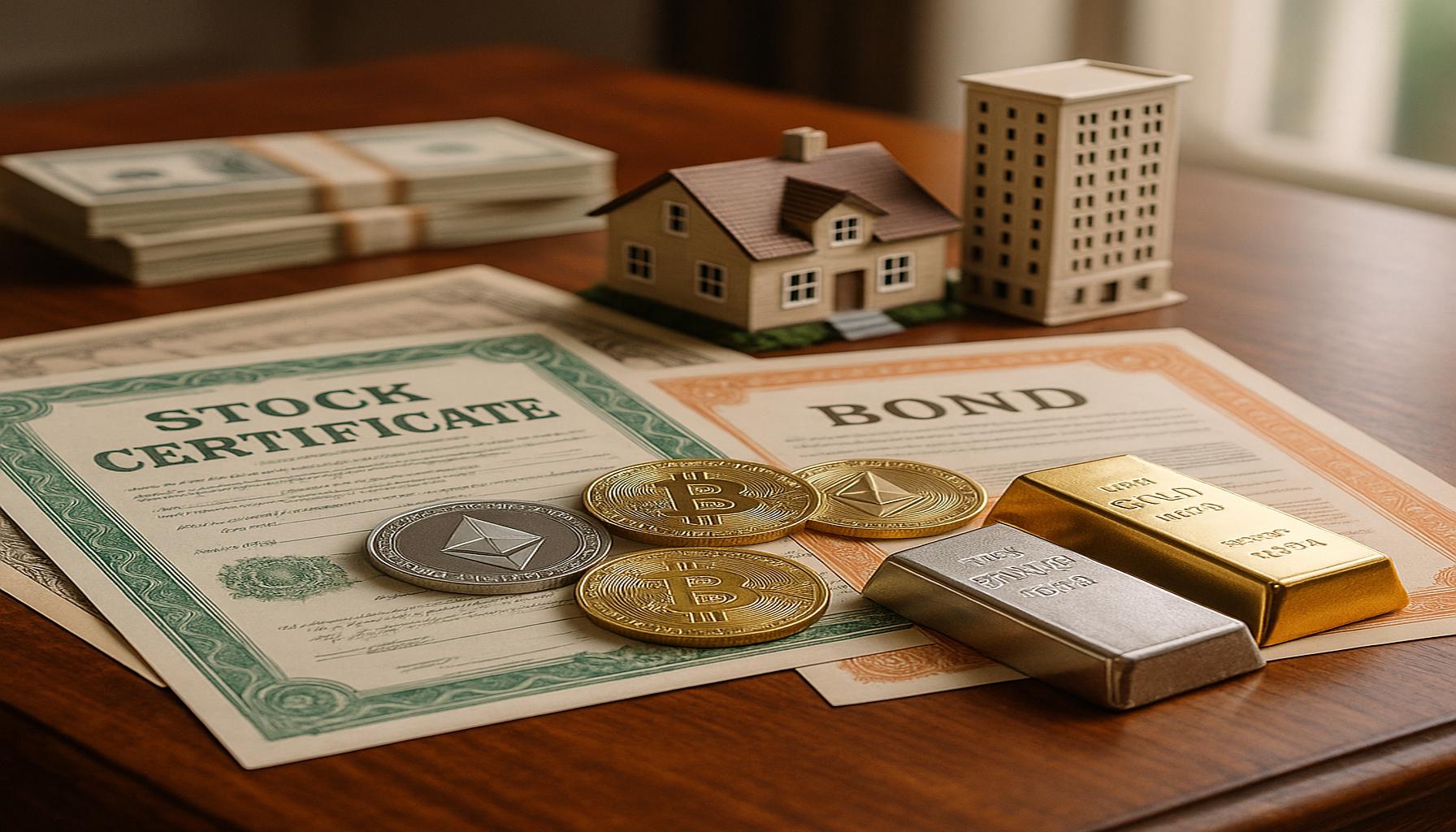
Alternative Investments: Exploring Art, Wine, and Other Unconventional Assets

Understanding Alternative Investments
In today’s volatile financial landscape, many investors are searching for ways to diversify their portfolios beyond traditional stocks and bonds. Alternative investments present an exciting opportunity for those willing to explore unconventional assets that can provide both potential returns and hedges against market fluctuations. As the reliable returns of traditional investments become more uncertain, the allure of alternative investments is becoming increasingly prominent.
Among the various alternatives available, consider the following categories that stand out in the investment arena:
- Art: Investing in fine art offers both aesthetic pleasure and the potential for long-term appreciation in value. Notable artworks, such as pieces from famous artists like Picasso or Banksy, have seen substantial increases in value over the years. In fact, the art market has outperformed the stock market in some periods, making it a viable investment option for those with a passion for creativity.
- Wine: A fine bottle of wine is more than just a delightful accompaniment for a dinner party; it can also serve as a long-term investment. Fine wines have become valuable commodity assets, especially ones from renowned regions such as Bordeaux and Napa Valley. The rarity and quality of specific vintages can lead to significant price increases, intriguing investors with the dual benefit of enjoyment and potential profit.
- Collectibles: The world of collectibles encompasses a wide variety of items, from vintage toys and comic books to rare coins and sports memorabilia. Items like 1980s action figures or baseball cards can create a nostalgic connection and often appreciate in value due to their rarity and demand among enthusiasts. Collectibles offer a unique charm, often creating emotional value while potentially enhancing the financial portfolio.
- Real Estate Crowdfunding: This modern investment vehicle allows individuals to engage with real estate markets without the need for substantial capital investments. Through platforms like Fundrise or RealtyMogul, investors can participate in larger real estate projects, benefiting from potential rental income and property appreciation without the responsibilities of direct property ownership.
- Cryptocurrencies: Digital currencies, including Bitcoin and Ethereum, present a high-risk, high-reward investment avenue. The rapid fluctuations in cryptocurrency values can lead to significant gains or losses. Understanding market dynamics, technological advancements, and regulatory changes is vital for investors venturing into this space, making it an area of profound interest for those willing to navigate its complexities.
These asset classes not only carve out distinct niches in the investment world but also present unique sets of challenges and rewards. As one delves deeper into alternative investments, it’s essential to understand the risks involved and the market dynamics that can influence their performance. For instance, while art and collectibles can be illiquid, making them harder to sell quickly, cryptocurrencies can be extremely volatile, influenced by market sentiment and technological developments.
As you embark on your journey into the world of alternative investments, it is crucial to educate yourself thoroughly. Researching asset performance history, market trends, and expert analyses can arm you with the knowledge needed to make informed decisions. In this article, we’ll explore each of these categories in detail, illuminating the potential benefits and considerations that come with investing outside the conventional routes. Prepare to open your mind to innovative ways of growing your wealth and building a more dynamic investment portfolio.
SEE ALSO: Click here to read another article
Diving Deeper into Art as an Investment
Investing in art has gained substantial traction in recent years, capturing the attention of seasoned and novice investors alike. The appeal of art lies not only in its ability to beautify spaces but also in its remarkable potential for appreciation. Notable works created by legendary artists such as Pablo Picasso or contemporary figures like Banksy are not just visually stunning; they represent tangible assets that can appreciate significantly over time. According to the Artprice Global Market Report, the art market’s compound annual growth rate nearly reached 6% over the last decade, showcasing an impressive resilience compared to traditional investment avenues.
Art investment encompasses different styles and genres, allowing individuals to invest according to personal taste and preferences. Here are several key considerations to keep in mind when contemplating art as an investment:
- Quality over Quantity: Investing in high-quality pieces from renowned artists generally leads to higher returns than purchasing multiple lower-quality works. Striving to acquire first-rate pieces can create significant long-term value.
- Market Trends: Awareness of prevailing trends in the art market is crucial. Certain styles, mediums, or artists may rise in popularity over time, leading to potential appreciation. Regularly researching auction results and market forecasts will provide valuable insights.
- Authenticity and Provenance: The value of an artwork can significantly fluctuate based on its authenticity and history. Ensuring that a piece comes with proper provenance and documentation is essential for preserving its value over time.
- Liquidity Challenges: One must keep in mind that selling art can be a lengthy and sometimes challenging process due to market demand and the unique nature of each piece. Understanding the potential for illiquidity is vital when considering art as an investment.
Value in the Bottle: Investing in Wine
The market for fine wine as an alternative investment has also seen a noteworthy rise. Many investors have discovered that certain vintages from prestigious regions like Bordeaux and Napa Valley can yield impressive returns. According to the Liv-ex Fine Wine 100 index, fine wine has consistently shown itself to be a robust and appreciating asset class, often outperforming traditional markets in times of economic uncertainty.
When considering wine investments, investors typically focus on the following factors:
- Region and Vintage: Wines from acclaimed regions and specific vintages often command higher prices. For instance, a high-quality Bordeaux from a stellar year can appreciate significantly in value.
- Storage and Maintenance: Proper storage conditions are critical for preserving the quality and value of fine wine. Temperature, humidity, and light exposure can drastically impact a wine’s longevity and quality.
- Market Demand: Understanding the current market demand for specific labels and vintages can inform investment choices. Engaging with wine auctions and market analyses is essential in navigating this niche.
Both art and wine investments not only offer potential financial rewards but also bring a unique enjoyment factor, allowing investors to engage uniquely with their assets. They create a portfolio enriched with culture and history while diversifying the financial implications of traditional investments. As we explore these unconventional assets further, the next section will highlight the nuances of collectible investments, illuminating their distinct characteristics and potential returns.
CHECK OUT: Click here to explore more
Collectible Investments: Tapping into History and Nostalgia
In addition to art and wine, collectibles represent another avenue for alternative investments that is gaining ground among savvy investors. From vintage toys and coins to memorabilia and stamps, collectibles are cherished not only for their nostalgic value, but also for their potential to appreciate over time. The collectibles market often reflects broader trends, revealing how culture and history can impact value. According to the Professional Sports Authenticator, the collectible market surged by over 50% in 2021 alone, showcasing a growing interest in tangible assets.
When venturing into collectible investments, it’s crucial to consider several dynamics:
- Condition and Rarity: The condition of a collectible significantly influences its market value. Collectibles that are rare or in mint condition can fetch staggering prices. For example, a sealed copy of the 1985 video game “Super Mario Bros.” sold for a record-breaking $2 million in 2021, highlighting how rarity and condition can transform value.
- Market Trends: Just like art and wine, collectibles can experience shifts in demand based on cultural trends. Monitoring which items are gaining popularity can offer insights into potential investment opportunities. Investing in collectibles that resonate with a resurging interest—such as vintage comic books or sports cards—could yield considerable returns.
- Provenance and Authenticity: As with art, the history of a collectible (its provenance) and its authenticity are paramount. Collectors should seek out items with proper verification and documentation to ensure their investments maintain high value. Counterfeit items can drastically reduce worth and create complex legal challenges.
Beyond the tangible value, collectibles carry significant emotional and historical weight. They offer a unique connection to the past and serve as conversation starters. For investors, acquiring rare items can transform a personalized hobby into a lucrative portfolio diversification strategy.
Investing in Memorabilia: The Intersection of Passion and Profit
Memorabilia, particularly in the realm of sports and entertainment, is another worthwhile variable in the alternative investment equation. Items like signed jerseys, concert posters, and rare records can become highly sought after, driven by nostalgia and fan culture. According to Goldin Auctions, the sports memorabilia market reached a staggering valuation of $5 billion in 2021, with auctions drawing in record prices for rare collectibles.
Here are critical factors to consider when delving into the memorabilia market:
- Celebrity Status: The value of memorabilia is often directly tied to the celebrity or athlete’s status. Items associated with legends like Michael Jordan or Elvis Presley can command impressive prices, especially if they evoke significant historical moments.
- Condition and Packaging: Like all collectibles, the condition of memorabilia is critical. Items that retain original packaging or have been kept in excellent condition naturally attract higher bids in auctions.
- Market Fluctuation: As trends shift, so too can the demand for specific memorabilia. Keeping an eye on cultural phenomena—like the sudden resurgence of interest in retro sports—can help investors predict shifts in value.
Investing in collectibles, whether through vintage toys or memorabilia from beloved figures, allows investors to enjoy both financial growth and engagement with their passions. With diligent research and a discerning eye, the world of collectibles can open up diverse opportunities for wealth enhancement while cultivating a rich connection to culture and history. As we continue to explore alternative investments, the final section will delve into the burgeoning realm of other unconventional assets to expand your investment horizons further.
CHECK OUT: Click here to explore more
Conclusion: Embracing the Unconventional
In a world where traditional investments like stocks and bonds have dominated financial conversations, the burgeoning realm of alternative investments presents exciting avenues for diversifying portfolios and unlocking potential wealth. From the rich textures of fine art and the nuanced notes of collectable wines to the stories woven into memorabilia and collectibles, these unconventional assets not only promise financial returns but also engage the heart and mind, inviting investors to explore their passions.
As we have seen, the market for alternative assets is increasingly robust. For instance, the impressive surge in the collectibles market can be tied to the emotional connections people experience with history and nostalgia. Moreover, investing in art and wine allows individuals to appreciate beauty and craftsmanship while bolstering their financial standing. Understanding the dynamics of rarity, condition, and market trends can significantly enhance the potential returns on these investments.
However, navigating this terrain requires due diligence and research. Investors must remain vigilant regarding provenance and authenticity to safeguard their investments from devaluation. By staying informed and adaptable to market fluctuations, investors can transform their passion projects into strategically sound financial decisions. As we look to the future, the rise of alternative investments symbolizes a shift towards a more holistic approach to wealth creation—one that aligns financial objectives with personal interests and cultural experiences.
In conclusion, the world of alternative investments is expansive, offering diverse opportunities waiting to be explored. As you venture beyond conventional assets, consider engaging with your financial endeavors through the lens of art, wine, and collectibles—where passion and profit can beautifully intertwine.
Related posts:
Investment Trends in Technology: The Future of AI and Blockchain Stocks
Investing in Real Estate: Trends and Opportunities in the American Real Estate Market
How Technology is Transforming the Investment Landscape with Fintechs and Cryptocurrencies
The Importance of Portfolio Diversification in Times of Economic Uncertainty
The Importance of Tax Planning for Australian Investors
Investing in Real Estate Funds: Advantages and Disadvantages for the American Investor

Linda Carter
Linda Carter is a writer and financial expert specializing in personal finance and investments. With extensive experience helping individuals achieve financial stability and make informed decisions, Linda shares her knowledge on the Curiosidade Atual platform. Her goal is to provide readers with practical advice and strategies for financial success and smart investments.