
Emerging Trends in Credit Cards: The Future of Payments and Benefits
Emerging Trends in Credit Card Technology
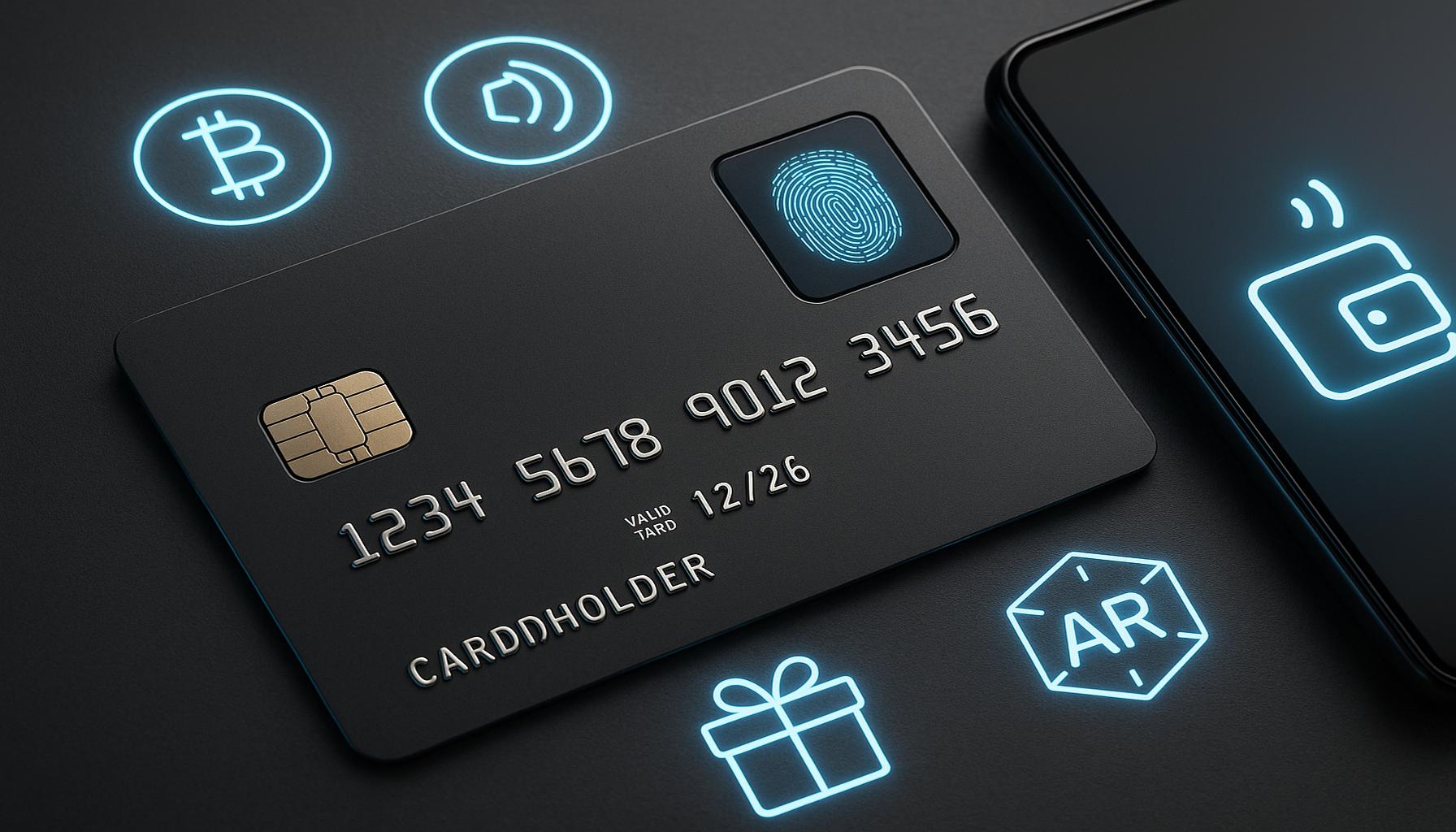
The landscape of credit cards is evolving rapidly, influenced by technological advancements and shifting consumer expectations. In this dynamic environment, key trends are shaping the future of payments and benefits, making it essential for consumers and businesses alike to stay informed.
Among the most significant trends currently transforming credit card usage are:
- Contactless Payments: The increasing demand for speed and convenience is propelling the growth of contactless credit cards. These cards allow users to complete transactions with a simple tap, thanks to Near Field Communication (NFC) technology. According to recent data, contactless payments accounted for nearly 30% of total card transactions in the U.S. in 2022, reflecting a significant shift in consumer behavior. This trend is especially popular in urban environments where consumers prefer expedient checkouts in busy settings such as cafes, public transportation, and retail stores.
- Digital Wallet Integration: The integration with mobile payment solutions is becoming a standard feature among credit cards. Consumers are increasingly utilizing smartphones to conduct transactions through platforms like Apple Pay, Google Pay, and Samsung Pay. This integration not only facilitates seamless transactions but also enhances user convenience, allowing individuals to store multiple card details in a single, secure application. The adoption of digital wallets has exploded, with studies showing a 40% increase in their usage among millennials and Gen Z consumers over the past two years.
- Enhanced Security Features: As the digital landscape expands, the risk of fraud has led to the adoption of innovative security measures in credit cards. Features such as biometric authentication—using fingerprints or facial recognition—combined with tokenization processes can protect sensitive financial data during transactions. This shift aims to enhance user trust in electronic payments. For instance, many banks now require a biometric scan when making high-value purchases, drastically reducing the risk of unauthorized transactions.
- Personalized Rewards Programs: Credit cards are increasingly offering tailored rewards programs that reflect individual spending habits. By leveraging data analytics, financial institutions can create attractive rewards based on consumer preferences, such as cash back on groceries or travel perks for frequent flyers. This level of personalization not only enhances consumer satisfaction but motivates users to remain loyal to specific credit card brands. Surveys indicate that 70% of cardholders prefer rewards that align with their spending patterns, emphasizing the importance of customized offerings.
As these transformative trends redefine consumer payment experiences, it is crucial for stakeholders, including financial institutions and consumers, to understand their implications. This article will delve deeper into each trend, exploring its potential impact on the future of credit cards and the myriad benefits they offer to users across the United States.
SEE ALSO: Click here to read another article
The Rise of Contactless Payments
The emergence of contactless payments is reshaping consumer behavior and the overall payment experience. This trend is driven by the growing need for quicker and more efficient transactions, especially in regions with high foot traffic. In urban markets across the United States, the convenience of simply tapping a credit card at the point of sale (POS) has become not only desirable but necessary. The underlying technology, largely built on Near Field Communication (NFC), enables secure data transfer without the need for physical contact, thus expediting customer checkouts and reducing congestion in retail environments.
As of 2022, contactless payments comprised approximately 30% of all card transactions in the U.S., highlighting a significant behavioral shift amongst consumers. This trend is particularly pronounced among younger generations, who prioritize speed and efficiency in their shopping experiences. Many businesses are now adapting their POS systems to support NFC technology, thereby enhancing the overall customer experience.
Digital Wallet Integration and Its Influence
The rise of digital wallet integration is another pivotal trend that reflects the changing landscape of credit card usage. As smartphones become essential tools for daily transactions, the ability to store credit card information securely on platforms like Apple Pay, Google Pay, and Samsung Pay is increasingly attractive. Recent studies indicate a 40% increase in digital wallet usage among millennials and Gen Z over the last two years. This growing trend signifies not only a shift in how consumers prefer to pay but also represents an opportunity for businesses to engage with a tech-savvy population more effectively.
- Enhanced Convenience: Digital wallets centralize multiple payment methods in one secure location, reducing the need to carry multiple physical cards.
- Integrated Loyalty Programs: Many digital wallets seamlessly incorporate loyalty programs, allowing users to earn rewards automatically when they shop.
- Improved Transaction Speed: Digital wallets often cut down the time required for checkouts, providing a smoother and faster customer experience.
This integration of digital wallets has significant implications for both consumers and businesses. For consumers, it simplifies the payment process while providing enhanced functionality and security. For businesses, embracing digital wallets can lead to increased customer engagement, improved satisfaction, and ultimately, higher sales conversion rates.
Security Innovations in Credit Card Use
With the advancement of technology comes an increased focus on security innovations that aim to protect cardholders’ sensitive information. As the digital landscape expands, so does the risk of fraud, prompting financial institutions to incorporate state-of-the-art security measures. Biometric authentication, which requires users to authenticate transactions through fingerprints or facial recognition, is trickling into mainstream credit card technology. Coupled with tokenization, which replaces sensitive card information with non-sensitive equivalents during transactions, these features significantly bolster the security framework for credit cards.
Current data indicates that banks implementing biometric measures have seen a marked decrease in unauthorized transactions, creating a more trusting environment for consumers. As security becomes paramount in the digital economy, it is clear that the future of credit cards will be characterized by robust protective features designed to secure personal financial information while offering convenience and efficiency.
CHECK OUT: Click here to explore more
The Shift Toward Sustainable Credit Card Options
In recent years, a growing emphasis on sustainability has emerged within the financial sector, prompting credit card issuers to innovate their product offerings. As consumers increasingly prioritize environmentally-friendly options, a new wave of credit cards made from recycled materials has gained traction. Notably, several major banks are introducing cards crafted from biodegradable plastics or recycled metals, addressing consumer demand for eco-conscious choices.
Data from a 2023 survey indicates that approximately 62% of consumers consider sustainability a critical factor when choosing financial products. The push for green cards not only helps reduce plastic waste but also positions brands as responsible corporate citizens. Furthermore, many banks are pairing these sustainable products with rewards programs that support environmental initiatives, allowing cardholders to contribute to conservation efforts while accruing benefits.
Personalized Rewards and Experiences
Another emerging trend in the credit card sector is the personalization of rewards programs. Financial institutions are increasingly leveraging data analytics and artificial intelligence to offer tailor-made benefits that align with individual spending habits. For instance, a cardholder who frequently dines out may receive enhanced cashback rates or exclusive access to restaurant offers, while another focused on travel could earn bonus points for flights and hotel stays.
Analytics show that nearly 70% of consumers express a preference for personalized rewards, reinforcing the importance of targeted offerings in today’s competitive market. This trend helps to foster customer loyalty, as individuals feel valued and understood based on their unique preferences. Additionally, personalized experiences include features such as real-time transaction alerts and customizable spending limits, allowing consumers to have greater control over their finances.
The Impact of Cryptocurrencies on Credit Cards
The rise of cryptocurrencies is another factor influencing the future landscape of credit cards. Some innovative credit products now allow users to earn or redeem cryptocurrency as rewards, presenting a novel approach to rewards systems. With platforms enabling cardholders to convert their cashback into Bitcoin, Ethereum, or other cryptocurrencies, this trend appeals particularly to younger consumers who are increasingly embracing digital currencies.
Research indicates that over 40% of millennials express interest in integrating cryptocurrency into their financial activities, reflecting a significant shift in how transactions may evolve. These cryptocurrency-linked cards not only offer traditional benefits but also provide consumers with a link to the burgeoning digital asset economy, as they capitalize on the potential appreciation of these currencies.
The Role of Artificial Intelligence in Fraud Detection
Artificial intelligence is making waves in the realm of credit card security through enhanced fraud detection systems. Utilizing algorithms that analyze patterns in transaction data, AI can swiftly identify and flag suspicious behavior, often before fraudulent charges manifest. This real-time analysis is crucial in minimizing losses, not just for financial institutions, but also for consumers who face the potential of compromised personal information.
Banks and payment processors that deploy AI-driven solutions report a 25% reduction in fraudulent activities. These systems continuously learn and adapt to emerging threats, paving the way for a more secure payment environment. As fraud detection technology advances, consumers will likely feel a heightened sense of security when using credit cards, enabling them to engage more freely in digital transactions.
CHECK OUT: Click here to explore more
Conclusion
As we look towards the future of credit cards, it is evident that innovation is at the forefront of this dynamic financial landscape. The emerging trends indicate a significant shift towards sustainability and personalization, reflecting the evolving priorities of consumers. With a substantial percentage of individuals favoring environmentally-friendly credit options, banks are responding by creating sustainable products that not only support eco-friendly practices but also enhance brand loyalty through associated rewards. Additionally, the demand for tailored rewards illustrates a clear desire for financial products that cater to individual preferences, increasing user satisfaction and engagement.
The integration of cryptocurrencies into credit card offerings represents a noteworthy evolution in payment methods, appealing particularly to tech-savvy younger demographics eager to embrace digital currencies. Coupled with advances in artificial intelligence for fraud detection, the overall security and efficiency of credit transactions are markedly improving, instilling greater confidence in consumers as they navigate their financial journeys.
Ultimately, the credit card industry is evolving swiftly, driven by consumer demands and technological advancements. Financial institutions that innovate and adapt to these trends will not only remain competitive but also enhance customer satisfaction. As such, embracing these emerging trends will be critical for consumers to maximize benefits while ensuring responsible financial practices in an increasingly complex payment ecosystem.
Related posts:
How revolving credit works in Australia
How to Apply for the American Express Platinum Business Credit Card?
How to Apply for the Bank of Melbourne Vertigo Credit Card?
How to Avoid Credit Card Debt: Effective Strategies
The Pros and Cons of Credit Cards: A Complete Guide for American Consumers
Best Card Options for Students in Australia

Linda Carter is a writer and financial expert specializing in personal finance and investments. With extensive experience helping individuals achieve financial stability and make informed decisions, Linda shares her knowledge on the Curiosidade Atual platform. Her goal is to provide readers with practical advice and strategies for financial success and smart investments.