
Fintechs and Financial Inclusion: How Technology is Transforming Access to Credit
The Evolving Financial Services Landscape
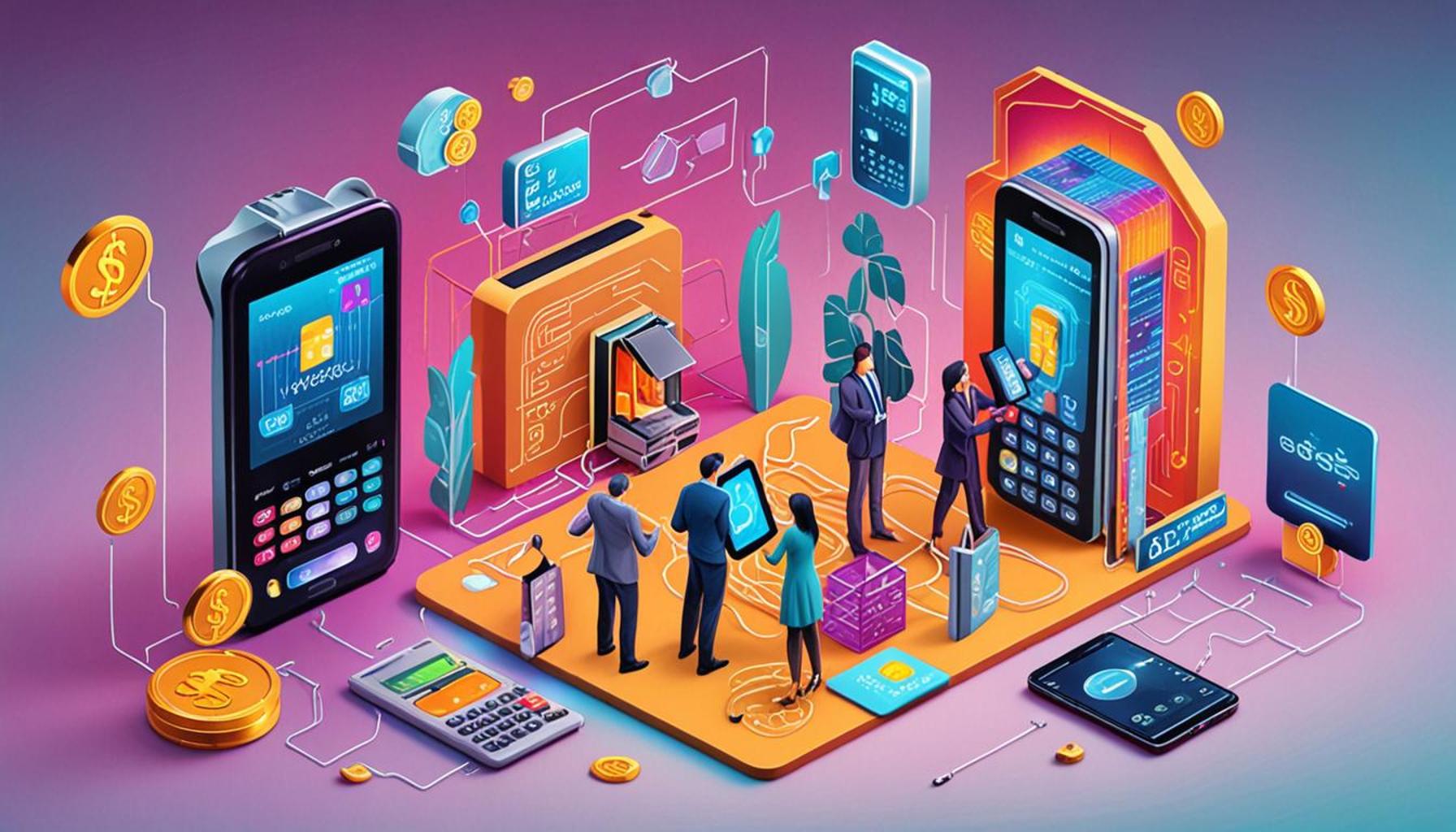
The financial services sector is experiencing a significant transformation, propelled by the rapid expansion of fintech companies. These companies are at the forefront of creating innovative solutions that not only enhance access to credit but also promote financial inclusion for historically underserved populations. With their novel approaches, fintech firms are redefining how individuals and businesses engage with financial resources.
Alternative Data Usage
One of the most influential strategies employed by fintech companies is the utilization of alternative data. Traditional credit scoring models often rely on limited datasets, such as credit history and income verification, which can exclude many potential borrowers. In contrast, fintechs analyze non-traditional data sources, including social media activity, online shopping patterns, and utility bills, to assess an applicant’s creditworthiness. For instance, platforms like Upstart and Kiva leverage these data points to generate more accurate credit scores, enabling individuals who lack extensive credit histories—such as recent immigrants or young adults—to access loans they might otherwise be denied.
Lending Platforms
The introduction of online lending platforms has revolutionized the loan application process. These platforms allow borrowers to complete applications in a fraction of the time required by traditional banks. In many cases, fintech lenders can process applications and extend approvals within hours, a stark contrast to traditional methods that may take days or weeks. For example, companies like SoFi and LendingClub offer streamlined experiences that cater to the fast-paced needs of consumers and small businesses alike, thus fostering a much-needed rapid response to financial needs.
Peer-to-Peer Lending
Peer-to-peer lending has emerged as another significant facet of this transformation. By connecting borrowers directly with individual investors, platforms such as Prosper and Funding Circle diminish the dependency on traditional banking institutions. This model not only provides borrowers with potentially lower interest rates but also allows individuals to invest their money directly into loans, fostering a sense of community and shared economic growth. The democratization of lending through this model helps bridge the financing gap for many who would otherwise struggle to access traditional credit streams.
Broader Impacts
The impact of fintech on access to credit is profound, particularly in a country where approximately 45 million Americans are either unbanked or underbanked. By catering to this demographic, fintech solutions are not merely offering loans; they are playing a critical role in promoting economic stability and growth. Improved access to credit enables individuals to invest in education, purchase homes, and start businesses, thereby contributing to broader economic development.
Recognizing the crucial role of fintech in enhancing financial inclusion is essential for various stakeholders, including policymakers, financial institutions, and consumers. As technology continues to evolve at a breakneck pace, ongoing innovations promise to address long-standing financial challenges more effectively.
Ultimately, the future of financial services looks bright, with fintech poised to continue breaking down barriers and creating equitable opportunities for all, ensuring that access to credit is not just a privilege for the few, but a right for many.
SEE ALSO: Click here to read another article
Empowering Borrowers Through Innovative Solutions
The rise of fintech has brought about a fundamental shift in the way financial institutions interact with their customers. This shift is particularly evident in the realm of credit accessibility, where technology-driven solutions are actively dismantling longstanding barriers that have historically restricted access for a significant portion of the population. Fintech companies are effectively democratizing the credit landscape, ensuring that the benefits of lending extend beyond traditional avenues.
User-Friendly Applications
Fintech companies have notably improved the user experience when it comes to applying for loans. Traditional banking institutions often impose cumbersome application processes that may deter potential borrowers. In contrast, fintech platforms prioritize user-friendly interfaces that streamline the application experience. Borrowers can often complete comprehensive applications using their smartphones in just a matter of minutes. Moreover, the clear communication of terms and conditions fosters transparency, further empowering consumers to make informed decisions.
Quick Approval Processes
The efficiency of fintechs extends beyond application ease; they also significantly accelerate the loan approval process. Many fintech companies utilize automated underwriting systems, which rely on algorithms to evaluate risk factors in real time. This allows for lightning-fast decision-making, often leading to approvals in a matter of hours. For instance, platforms such as Avant and Credible demonstrate how advanced technologies can reduce the waiting period that is characteristic of traditional loan processes, allowing consumers immediate access to funds for urgent needs.
Localized Services Tailored to Diverse Communities
Fintech solutions are particularly effective in addressing localized financial challenges faced by diverse communities across the United States. Many of these companies focus on tailored products that cater to the unique needs of underserved populations, including low-income families and minorities. Some of the strategies include:
- Community-Based Lending: Fintechs like Grameen America provide small loans specifically to women entrepreneurs in low-income neighborhoods, fostering economic empowerment.
- Custom Financial Education: Many fintech companies enhance their offerings with educational resources, enabling borrowers to better understand their financial situations and responsibilities.
- Flexible Repayment Options: Fintechs are increasingly offering borrowers adjustable repayment plans that align with their income variations and financial capabilities, making it easier for them to fulfill their obligations.
As fintech continues to evolve, it is crucial to acknowledge the importance of these innovations in facilitating access to credit for those who have been historically marginalized in financial systems. By providing practical solutions that resonate with local communities, fintechs are not merely changing loan dynamics; they are paving the way for broader economic inclusion and security.
The active involvement of fintech companies in promoting financial inclusion speaks volumes about the potential of technology to reshuffle the status quo. Through their efforts, an increasing number of borrowers are gaining access to the financial resources necessary to embark on significant life investments, ultimately contributing to a more robust economy.
SEE ALSO: Click here to read another article
Enhancing Risk Assessment and Credit Scoring
Another transformative aspect of fintech innovations lies in their approach to risk assessment and credit scoring. Traditional credit models primarily rely on credit history and FICO scores to determine a borrower’s creditworthiness. Unfortunately, this exclusionary measure marginalizes millions who have thin or no credit files, such as young adults or recent immigrants. Fintech companies are addressing this gap by employing alternative data sources and advanced analytics to create a more inclusive credit assessment framework.
Alternative Data Utilization
Fintechs have leveraged an array of alternative data sources, such as utility payments, rental history, and even income verification from bank transaction histories. These metrics provide a more holistic view of a borrower’s ability to repay loans, allowing lenders to serve individuals previously deemed ‘unscorable’ by conventional systems. For instance, companies like Upstart analyze factors such as education and employment history alongside traditional metrics to offer more personalized credit solutions, thereby broadening access to credit for those traditionally overlooked.
Machine Learning for Risk Assessment
Machine learning algorithms play a crucial role in refining the risk assessment process, enabling fintech firms to make informed lending decisions based on predictive analytics. By continuously learning from new data and trends, these algorithms enhance the understanding of borrower behavior, allowing for precise risk forecasting. Research indicates that using advanced algorithms can reduce default rates significantly compared to traditional underwriting methods, ultimately increasing lender confidence in extending credit to a wider population.
Peer-to-Peer Lending Models
Peer-to-peer lending (P2P) platforms are another innovative construct within the fintech ecosystem that further promotes financial inclusion. P2P lending connects individual borrowers directly with investors, allowing for more flexible loan terms that might not be feasible within traditional banking frameworks. Platforms like LendingClub and Prosper facilitate these connections, often offering lower rates for borrowers due to reduced overhead costs and increased competition among investors. This model empowers borrowers, particularly those with non-traditional credit histories, to secure financing that aligns with their specific financial needs.
The Role of Regulatory Adaptation
The rapid growth of fintech solutions has spurred regulations aimed at safeguarding consumers while fostering innovation. The challenge remains for regulators to create a balanced approach that encourages fintech expansion without compromising consumer protection. Initiatives like the Consumer Financial Protection Bureau (CFPB) in the United States stress the importance of maintaining ethical lending practices, promoting transparency, and ensuring that emerging technologies serve to enhance rather than inhibit access to credit.
The integration of digital technologies in financial services has marked a turning point in the evolution of lending practices. It is not merely a transfer of existing procedures to a digital platform but a profound transformation that is reshaping how underserved populations engage with credit. As fintech companies continue to pioneer these important advancements, they are positioning themselves as invaluable partners in promoting widespread financial inclusion.
CHECK OUT: Click here to explore more
Conclusion
In conclusion, the intersection of fintech and financial inclusion has engendered a significant shift in how credit is accessed, allowing underrepresented populations to participate in the financial ecosystem. Through the use of alternative data and cutting-edge technologies such as machine learning, fintech firms are moving away from traditional credit scoring models that have long excluded millions. This innovative approach not only democratizes access to credit by considering a broader range of financial behaviors but also enhances the accuracy of risk assessments, ultimately mitigating default rates.
Moreover, the emergence of peer-to-peer lending platforms has revolutionized the lending landscape, providing borrowers with more flexible and tailored financing options that cater to their unique circumstances. As these platforms gain traction, they empower individuals who may have been overlooked or deemed too high risk by conventional institutions.
The role of regulators remains paramount as they seek to balance fostering innovation with protecting consumers. Regulatory frameworks must evolve to ensure that fintech practices remain transparent and ethical, ensuring that the benefits of financial inclusion can be sustained.
As technology continues to advance, it is imperative for all stakeholders, including policymakers, financial institutions, and fintech innovators, to collaborate in maximizing the potential of fintech solutions. With strategic partnerships and adaptable regulatory structures, the promise of financial inclusion can become a reality, allowing individuals from all walks of life to gain access to the credit they need to succeed.
Related posts:
The Role of Mobile Applications in Personal Finance Management
The AI Revolution: Impacts and Future Prospects
The Future of Financial Technology
Cryptocurrencies and Security: How to Protect Your Digital Assets
The future of cryptocurrencies: regulation and adoption in the American financial market
The impact of artificial intelligence on credit analysis and loan granting

Linda Carter is a writer and financial expert specializing in personal finance and investments. With extensive experience helping individuals achieve financial stability and make informed decisions, Linda shares her knowledge on the Curiosidade Atual platform. Her goal is to provide readers with practical advice and strategies for financial success and smart investments.