
Fintechs and the Digital Revolution in Access to Banking Services
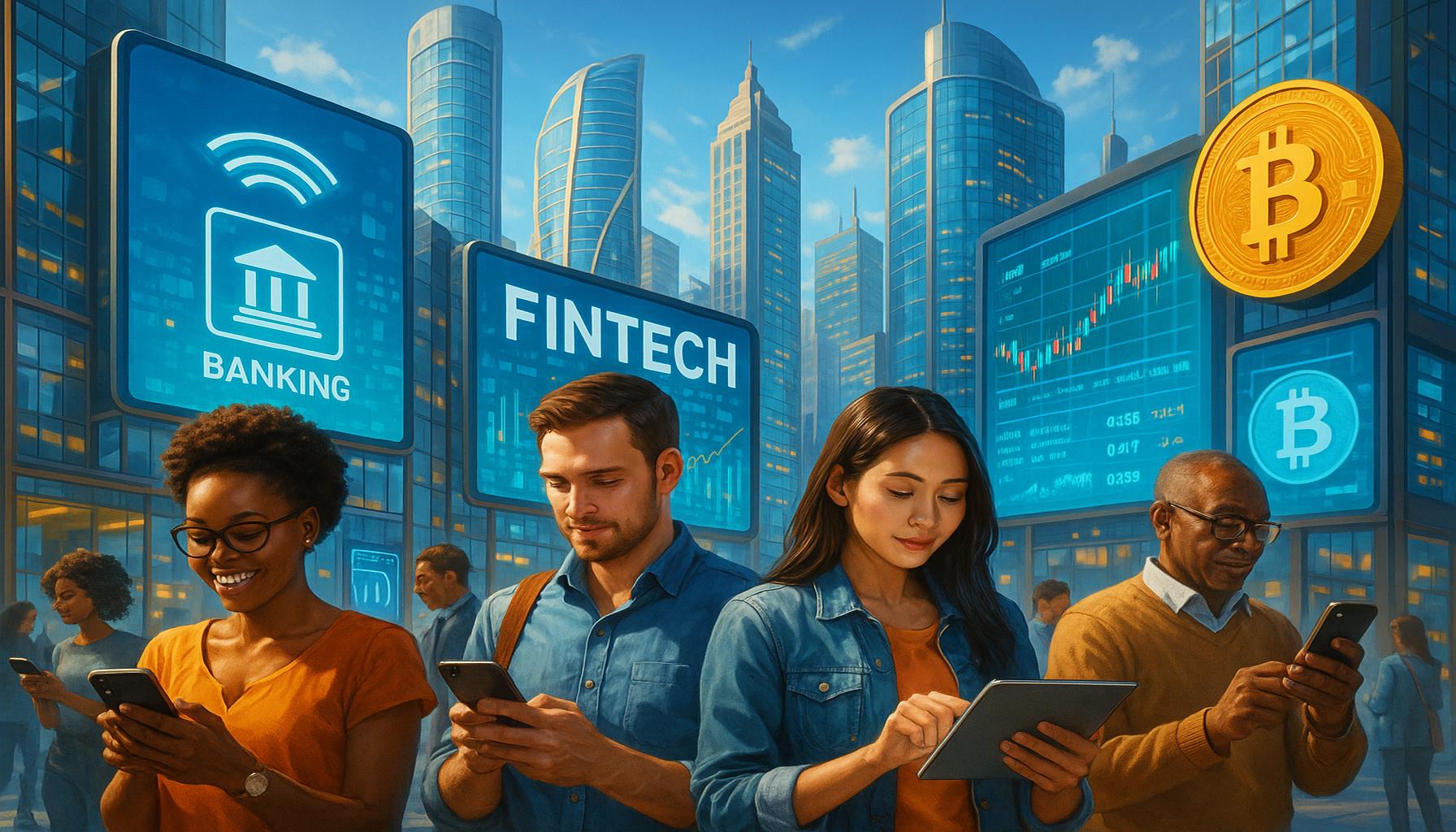
Overview of Fintech’s Impact on Traditional Banking
In recent years, the landscape of financial services has undergone a seismic shift, driven largely by the emergence of fintech companies. These technologically advanced firms aim to streamline financial operations and enhance user experiences, thus challenging traditional banking paradigms. American consumers and businesses alike are beginning to see the numerous advantages this digital transformation brings.
One of the most prominent benefits of fintech innovation is accessibility. With the proliferation of mobile applications, customers can engage with banking services at their convenience, eliminating the need for physical branch visits. For instance, platforms like Mint allow users to manage their finances from their smartphones, giving them real-time insights into spending habits and budgeting.
Another significant advantage is cost efficiency. Fintech companies operate on leaner business models that utilize technology to reduce overhead costs. As a result, many of these services can offer lower fees compared to traditional banks. A notable example is TransferWise (now known as Wise), which provides low-cost international money transfers compared to conventional banks, thus saving consumers substantial amounts of money.
The speed at which transactions occur is also markedly improved in the fintech arena. Instant payment platforms like Cash App allow users to transfer money between accounts within seconds. This rapid transaction capability not only enhances the user experience but also optimizes cash flow for businesses, empowering them to manage their finances more effectively.
Moreover, fintech innovations are addressing the issue of financial inclusion. By offering services tailored for underserved demographics, fintechs are bridging gaps that traditional banks have often overlooked. Services like Kiva, which provides microloans to entrepreneurs in developing communities, are perfect examples of how fintech can enhance financial literacy and expand economic opportunities.
Nonetheless, as fintechs reshape consumer expectations and behaviors, the regulatory environment is also evolving to keep pace with these changes. Regulatory bodies are increasingly developing frameworks to incorporate the unique aspects of fintech, ensuring a secure and equitable financial marketplace. This adaptability is critical, as it promotes both innovation and consumer protection.
As we further explore the digital revolution in banking, it is paramount to consider not only the myriad opportunities that fintech offers but also the potential challenges that may arise. These could include concerns regarding data security, compliance with regulations, and the implications of increased market competition. Through careful examination, stakeholders can better navigate the complex terrain of modern banking and work towards a future where financial services are more equitable and efficient for all.
CHECK OUT: Click here to explore more
Transformative Features of Fintech in Banking Services
As fintech continues to disrupt conventional banking, several transformative features are emerging that redefine how consumers interact with financial institutions. By leveraging cutting-edge technology, fintech companies are not only improving efficiency and customer satisfaction but also reshaping the entire banking ecosystem. Below are some key features that highlight the significant impact of fintech on banking services:
- User-Centric Interfaces: Fintech platforms prioritize user experience by providing intuitive and user-friendly interfaces, enabling customers to navigate services seamlessly. Applications like Chime offer streamlined banking experiences that cater to Millennials and Gen Z, focusing on accessibility and transparency.
- Personalization: Fintechs employ data analysis and artificial intelligence to provide tailored financial products. For instance, robo-advisors such as Wealthfront utilize algorithms to assess individuals’ risk profiles and investment preferences, delivering customized investment strategies that enhance client engagement.
- Peer-to-Peer Lending: Another notable innovation is peer-to-peer (P2P) lending platforms like LendingClub and Prosper, which connect borrowers directly with investors. This model circumvents traditional banking channels, potentially leading to lower interest rates for borrowers and higher returns for investors.
- Blockchain Technology: The application of blockchain within fintech is revolutionizing the way transactions are executed. This technology enhances security and transparency, while decreasing transaction times and costs. For instance, companies like Ripple leverage blockchain to facilitate faster cross-border payments at a fraction of conventional banking costs.
- Embedded Finance: Fintechs are increasingly integrating financial services into non-financial platforms, creating frictionless customer experiences. This includes applications like Shopify Payments, which allows e-commerce businesses to process transactions seamlessly within their sales platform, thus eliminating the need for separate banking engagements.
These transformative features are not just a passing trend; they represent a fundamental shift in consumer expectations and banking operations. As fintech firms continue to innovate, traditional banks are being compelled to adopt similar strategies to remain relevant. This ongoing osmosis between fintech and traditional banking emphasizes the importance of adaptability in the financial services sector.
Moreover, as the competition intensifies, larger financial institutions are beginning to embrace partnerships with fintech startups. Such collaborations often lead to enhanced technological capabilities, quicker product development cycles, and improved services for customers. For instance, well-established banks like Goldman Sachs have created their own fintech ventures, recognizing the necessity of innovation to meet evolving consumer demands.
In summary, fintech’s impact on banking services signifies a digital revolution that prioritizes accessibility, cost efficiency, and enhanced customer experiences. As these innovations continue to gain traction, consumers can expect a more personalized, efficient, and inclusive financial landscape.
SEE ALSO: Click here to read another article
Challenges and Opportunities in the Fintech Landscape
As fintech continues to reshape the banking sector, it also faces numerous challenges that demand careful navigation. While these obstacles present significant barriers in some respects, they also offer unique opportunities for innovation and growth. Below, we explore the key challenges facing fintechs and the corresponding opportunities that arise within this dynamic environment.
- Regulatory Compliance: One of the most critical challenges for fintech companies is navigating the complex landscape of regulations. Financial institutions are subject to strict compliance requirements, and fintechs must ensure that they abide by these regulations to operate legally. However, this challenge also presents an opportunity for fintechs to innovate solutions that streamline compliance processes. For instance, firms like ComplyAdvantage leverage machine learning to automate compliance checks, enhancing efficiency while minimizing human error.
- Consumer Trust and Security: Cybersecurity remains a paramount concern, as breaches can severely impact consumer trust. Fintech companies must invest in robust security measures to safeguard sensitive financial data. By prioritizing data protection and transparency, fintechs can differentiate themselves in a crowded market. Companies like <strong<TokenSoft have established themselves as leaders in securing digital assets through stringent security protocols and clear user communication.
- Financial Inclusion: While fintech has made significant strides in democratizing access to banking services, a considerable portion of the population remains underserved. This includes low-income individuals and marginalized communities who often lack access to traditional banking infrastructure. Fintechs have the opportunity to address this gap by developing solutions tailored to the needs of these populations, such as mobile banking applications that offer microloans and savings accounts without the high fees associated with traditional banks. Initiatives like M-Pesa in Kenya demonstrate how fintech can provide essential services and uplift entire communities through digital financial solutions.
- Partnerships and Collaborations: Fintechs are increasingly recognizing the value of forming partnerships with established banks. By collaborating, fintechs can gain access to a broader customer base and develop services that leverage the strengths of both parties. This synergy can enhance product offerings and accelerate innovation. Example partnerships, such as that of Plaid with various financial institutions, showcase how cooperative efforts can foster growth while delivering superior services to consumers.
- Market Saturation: As the number of fintech startups continues to swell, market saturation poses a challenge to new entrants. The competitive landscape requires fintechs to refine their value propositions continually. However, this saturation also fosters innovation, as companies are motivated to create unique solutions that address specific customer pain points. For instance, fintechs focused on niche markets, such as student loans or health care financing, can tailor their services to capture underserved sectors.
The evolution of fintech is underscored by both challenges and opportunities that shape its trajectory within the banking sector. In addressing these complexities, fintech companies are not only able to navigate obstacles but also to carve out niches that foster greater financial inclusion and improved services for all consumers. As the digital revolution continues to unfold, the interplay between fintechs and traditional banking institutions will be pivotal in defining future trends and transforming accessibility in banking services.
CHECK OUT: Click here to explore more
Conclusion
The advent of fintech has undeniably catalyzed a digital revolution that is redefining access to banking services. As the industry evolves, the intersection of technology and finance offers unprecedented opportunities for enhancing financial inclusion and democratizing access to essential services. By leveraging innovations such as artificial intelligence, blockchain, and mobile technology, fintechs are not only streamlining traditional banking processes but also bridging the gap for underserved populations. The democratization of financial services will potentially empower individuals who have been historically marginalized by conventional banking systems.
However, it is critical to acknowledge that the journey forward is fraught with challenges, including regulatory complexities, cybersecurity threats, and market saturation. Success in this competitive landscape will increasingly hinge on the ability of fintechs to cultivate consumer trust and navigate compliance seamlessly while remaining agile in a rapidly changing environment. Furthermore, fintechs must continue to develop innovative solutions that address the unique needs of diverse consumer segments.
As fintechs and traditional banking institutions collaborate and forge partnerships, the potential for transformative impacts on financial accessibility intensifies. The ongoing dialogue between these sectors will shape the landscape of financial services in the United States and beyond, ultimately driving stronger economic growth and fostering a more inclusive society. The future of finance is digital, and the ongoing innovations in fintech will play a crucial role in creating a more equitable financial environment for all.
Related posts:
Virtual Reality and Augmented Reality: Transforming Experiences and Businesses
The role of blockchain technologies in the transparency and efficiency of financial transactions
The Role of Mobile Applications in Personal Finance Management
Cryptocurrencies and the Evolution of the Investment Market in the United States
Cryptocurrencies and the Revolution of Financial Transactions: What to Expect from the Future
The importance of tech startups in Australia's post-pandemic economic recovery

Linda Carter is a writer and financial expert specializing in personal finance and investments. With extensive experience helping individuals achieve financial stability and make informed decisions, Linda shares her knowledge on the Curiosidade Atual platform. Her goal is to provide readers with practical advice and strategies for financial success and smart investments.