
Investing in Cryptocurrencies: What You Need to Know Before Getting Started
Understanding Cryptocurrency Investing
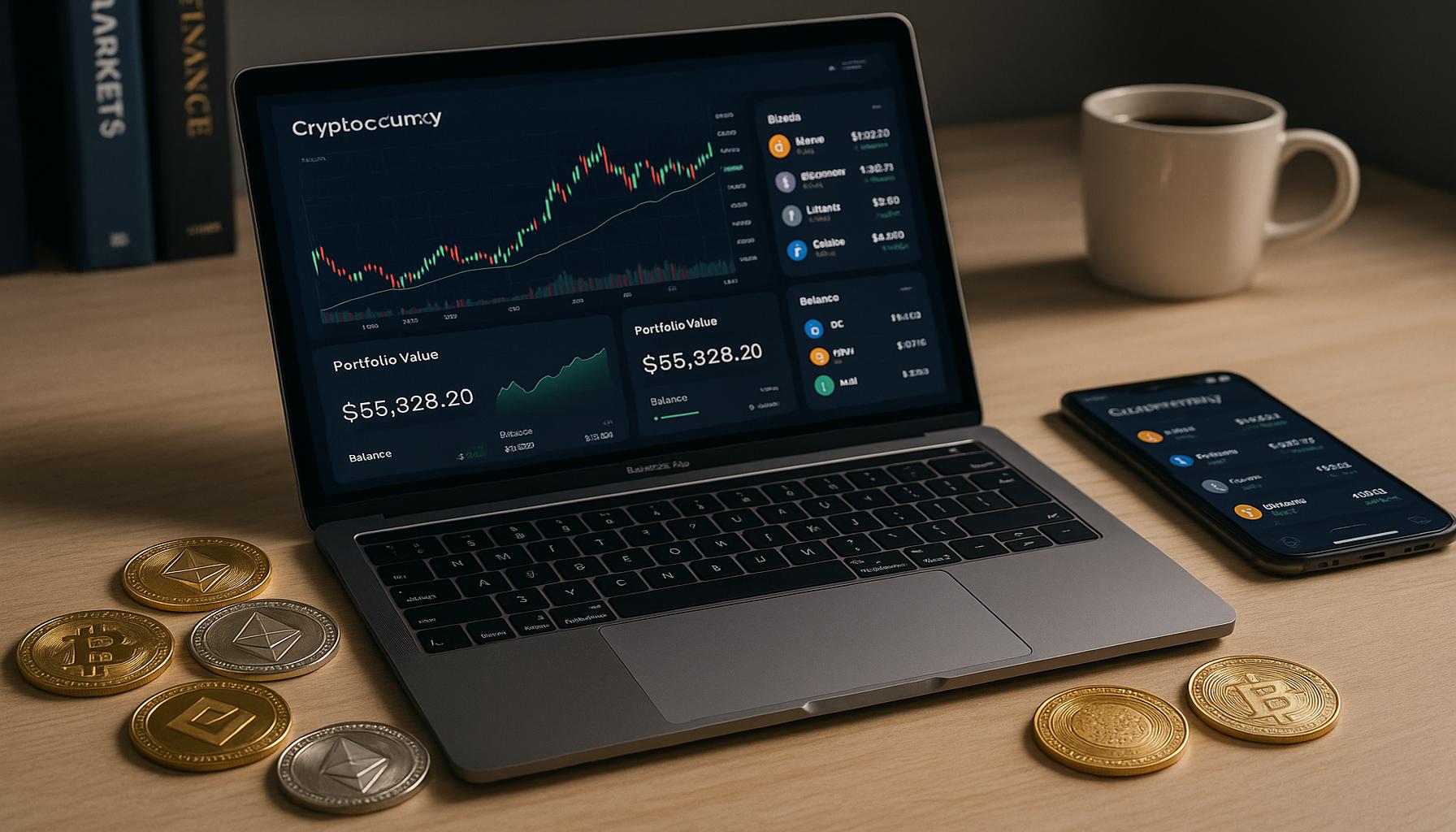
In recent years, the ascent of cryptocurrencies has captivated a diverse array of investors, from seasoned market participants to curious newcomers seeking to leverage this digital innovation. The surge in cryptocurrency popularity is not just a passing trend but reflects a growing acceptance of decentralized finance and digital assets. However, alongside the exciting prospects lie significant risks and complexities that warrant careful consideration before embarking on an investment journey.
Market Volatility
Volatility is one of the most defining characteristics of cryptocurrencies. For instance, Bitcoin, often regarded as the flagship cryptocurrency, has experienced extreme price swings, reaching heights of nearly $69,000 in late 2021, only to plunge below $33,000 within a few months. This type of fluctuation can generate substantial opportunities for profit but can also lead to devastating losses. To navigate this volatility, it is crucial for investors to develop a robust risk management strategy that could include setting stop-loss orders and determining their risk tolerance.
Security Considerations
As the popularity of cryptocurrencies continues to rise, the importance of security cannot be overstated. Investors must understand the basics of safeguarding their digital assets. This includes choosing reliable wallets, whether hot or cold storage solutions. For example, hardware wallets, which store private keys offline, offer enhanced security against hacking attempts. Additionally, implementing two-factor authentication (2FA) adds an extra layer of protection against unauthorized access. Familiarizing oneself with the best security practices is paramount to preserving investments in this digital landscape.
Legal Frameworks
Moreover, regulation plays a significant role in the cryptocurrency market’s development. U.S. regulatory bodies, such as the Securities and Exchange Commission (SEC) and the Commodity Futures Trading Commission (CFTC), are establishing frameworks to govern trading and compliance. Investors should keep abreast of these regulatory updates, as changes in legislation can significantly impact market dynamics and asset legality. Understanding the regulatory environment safeguards investors from potential legal pitfalls while ensuring a compliant investment strategy.
Research and Strategic Investing
To thrive in this dynamic market, it is imperative to do your research. With thousands of cryptocurrencies in existence, from mainstream options like Bitcoin and Ethereum to emerging altcoins, investors must differentiate between what aligns with their financial goals. A comprehensive analysis of each coin’s fundamentals, including technology, use cases, and market positions, is essential. Additionally, maintaining a diversified portfolio can mitigate risk. By allocating funds across multiple cryptocurrencies, investors can minimize exposure to the volatility of any single asset.
Investors need to actively stay updated with market trends, news, and global events that could influence cryptocurrency pricing and regulations. Following cryptocurrency news platforms, expert analyses, and community forums can provide insight into market movements and potential investment opportunities. Ultimately, an informed and strategic approach to cryptocurrency investing can empower individuals to navigate this complex arena effectively, aligning their investments with their long-term financial objectives.
CHECK OUT: Click here to explore more
Essential Elements of Cryptocurrency Investment
Investing in cryptocurrencies entails a multitude of elements that require thorough understanding and preparation. Beyond the alluring potential for high returns, investors must exercise vigilance and adopt a well-rounded approach. Here are some essential elements to consider when diving into the world of cryptocurrency investment:
Understanding Different Types of Cryptocurrencies
Investors should begin by familiarizing themselves with the various categories of cryptocurrencies, as this knowledge aids in making informed investment decisions. The major categories include:
- Coins: These are native digital currencies that operate on their own blockchains, with Bitcoin and Ethereum being the most recognized examples.
- Tokens: Often built on existing blockchains, tokens can serve different purposes, such as utility or security within a given ecosystem. Examples of tokens include Chainlink and Uniswap.
- Stablecoins: These cryptocurrencies aim to maintain a stable value by pegging to traditional currencies, like the US dollar. Tether (USDT) and USD Coin (USDC) are examples that help mitigate volatility.
- Altcoins: Referring to any cryptocurrency other than Bitcoin, altcoins can offer unique features or solutions, such as Ripple (XRP) for cross-border payments.
Being able to distinguish between these cryptocurrencies and understanding their individual use cases is essential for a cohesive investment strategy.
Timing the Market
In the cryptocurrency ecosystem, market timing can greatly affect investment outcomes. Unlike traditional stock markets that operate during set hours, cryptocurrency exchanges function 24/7, leading to continuous price fluctuations. As a result, determining the right time to buy or sell becomes critical. Investors can utilize fundamental and technical analysis to assess market behavior, helping them identify potential entry and exit points.
Investment Horizon and Strategy
Your investment horizon is another pivotal factor in cryptocurrency investing. Identifying whether your approach is short-term trading or long-term holding will impact your risk profile and strategy. Short-term traders, or “day traders,” often capitalize on rapid price movements, while long-term investors look to hold assets for extended periods, banking on appreciation over time.
Implementing a clear investment strategy, such as dollar-cost averaging (DCA) or employing a buy-and-hold strategy, can help mitigate risks associated with volatility. Dollar-cost averaging involves consistently investing a fixed sum over specified intervals, regardless of price fluctuations, which can reduce the impact of market volatility on overall investment.
Community Engagement and Resources
Lastly, engaging with the cryptocurrency community can provide invaluable insights and guidance. Numerous resources, such as forums, social media groups, and professional communities, allow investors to interact with experienced individuals who share valuable knowledge and market analysis. Furthermore, taking advantage of educational platforms can enhance investment literacy, ensuring that investors are well-equipped to navigate the increasingly complex landscape of cryptocurrencies.
In conclusion, a comprehensive understanding of different cryptocurrencies, timed investing, personal strategy, and community engagement contributes to creating a solid foundation for anyone seeking to invest in this dynamic market. By consolidating these essential elements, investors can significantly improve their chances of achieving favorable outcomes in the cryptocurrency realm.
SEE ALSO: Click here to read another article
Risk Management and Security Protocols
As cryptocurrencies operate in an inherently volatile and largely unregulated space, risk management becomes an essential component for any serious investor. Understanding the risks associated with cryptocurrency investments helps mitigate potential losses and enhances long-term success.
Volatility and Market Dynamics
The cryptocurrency market is characterized by extreme price fluctuations, making it crucial for investors to manage their exposure. For instance, Bitcoin, the most well-known cryptocurrency, has experienced large swings in value, often exceeding 50% changes within a short timeframe. Therefore, identifying your risk tolerance and aligning it with your investment strategy is vital. Setting stop-loss orders can help limit losses by automatically selling a cryptocurrency when its price falls below a predetermined point.
Diversification of Investment Portfolio
Diversification remains a fundamental principle of investment that applies to cryptocurrency as much as traditional assets. Relying solely on one cryptocurrency increases the risk of significant losses. By spreading investments across various cryptocurrencies—from established coins like Bitcoin and Ethereum to emerging altcoins and tokens—investors can decrease the potential negative impact of a poor-performing asset. Furthermore, diversifying enables exposure to various sectors of the cryptocurrency industry, such as decentralized finance (DeFi), non-fungible tokens (NFTs), and blockchain technology solutions.
Security Measures for Asset Protection
Given the high incidence of cybersecurity threats in the cryptocurrency realm, implementing robust security measures is paramount. Investors are advised to utilize hardware wallets—physical devices designed to securely store cryptocurrencies offline. Unlike online wallets, which are susceptible to hacking, hardware wallets offer a higher level of protection against unauthorized access.
Additionally, employing two-factor authentication (2FA) on trading platforms enhances account security significantly. Regularly updating passwords and staying informed about emerging security threats can further bolster asset security. It is also crucial to avoid sharing sensitive information or falling victim to phishing scams that seek to exploit investor vulnerabilities.
Regulatory Awareness
Cryptocurrency regulation in the United States is evolving, and keeping abreast of legal changes is essential for compliance and informed investment. The Securities and Exchange Commission (SEC) and the Commodity Futures Trading Commission (CFTC) are prime regulators overseeing cryptocurrency-related activities. Recent discussions surrounding policies focusing on taxation, reporting standards, and possible regulations concerning Initial Coin Offerings (ICOs) can significantly impact the landscape of cryptocurrency investments. Consulting with financial advisors or legal experts can keep investors ahead of regulatory shifts, thus aiding in compliance and strategy adjustment.
Tactical Exit Strategies
A well-thought-out exit strategy is equally important in cryptocurrency investing, as it determines when to take profits or reinvest back into the market. Setting price targets or percentage gains allows investors to define their selling points ahead of time, avoiding emotional decision-making during market fluctuations. The use of trailing stop orders can also enable investors to lock in profits while allowing for potential upside during continued market appreciation.
By implementing effective risk management frameworks, engaging in asset diversification, adhering to stringent security measures, staying informed on regulatory developments, and having tactical exit strategies, investors can significantly improve their chances of successfully navigating the complex and often unpredictable cryptocurrency market.
CHECK OUT: Click here to explore more
Conclusion
Investing in cryptocurrencies represents a unique opportunity that appeals to a broad array of investors, yet it necessitates careful consideration due to the profound risks involved. The inherent volatility of the cryptocurrency market serves as a stark reminder of the importance of implementing effective risk management strategies. Investors should begin by thoroughly assessing their risk tolerance, which involves understanding how much financial loss one can withstand without affecting their overall well-being. Furthermore, diversifying your asset portfolio by investing in a range of cryptocurrencies—such as Bitcoin, Ethereum, and emerging altcoins—can mitigate risks, as it reduces reliance on a single asset’s performance. Utilizing tools like stop-loss orders can further safeguard investments; these orders automatically sell an asset when it reaches a predetermined price, thereby limiting losses during sudden market downturns.
The significance of security measures cannot be overstated in the cryptocurrency realm. With cyberattacks increasingly targeting digital wallets and exchanges, employing offline storage solutions such as hardware wallets is essential for asset protection. These devices securely store private keys offline, far removed from potential online threats. Additionally, adopting two-factor authentication adds an extra layer of security, ensuring that even if login credentials are compromised, unauthorized access remains thwarted.
Investors must also remain aware of the evolving regulatory environment in the United States. The legal landscape surrounding cryptocurrencies is continually changing; new regulations can impact the market’s stability and accessibility. Staying informed about such changes can help investors remain compliant with existing laws and adapt their strategies accordingly to avoid potential legal challenges.
In summary, while the allure of cryptocurrency investing is undeniably compelling, it is crucial to approach this venture with both prudence and informed knowledge. The complex dynamics of the market present the potential for substantial rewards, but one must also be prepared for significant risks. Continuous education, seeking expert advice when necessary, and cultivating a disciplined investment mindset are imperative for success. By understanding these essential elements, investors can position themselves for a more secure and potentially profitable experience in the cryptocurrency market.
Related posts:
Investing in Real Estate: Analysis of the Rental Market and Commercial Properties in 2023
Investments in Startups: Risks and Opportunities in the Digital Era
The Impacts of Inflation on Long-Term Investments
The ETF Market in Australia: Options for Local Investors
Impact of Interest Rates on Investment Decisions in 2023
How to Diversify Investments According to Risk Profile

Linda Carter is a writer and financial expert specializing in personal finance and investments. With extensive experience helping individuals achieve financial stability and make informed decisions, Linda shares her knowledge on the Curiosidade Atual platform. Her goal is to provide readers with practical advice and strategies for financial success and smart investments.