
Consumer Trends in 2099: What Financial Data Reveals
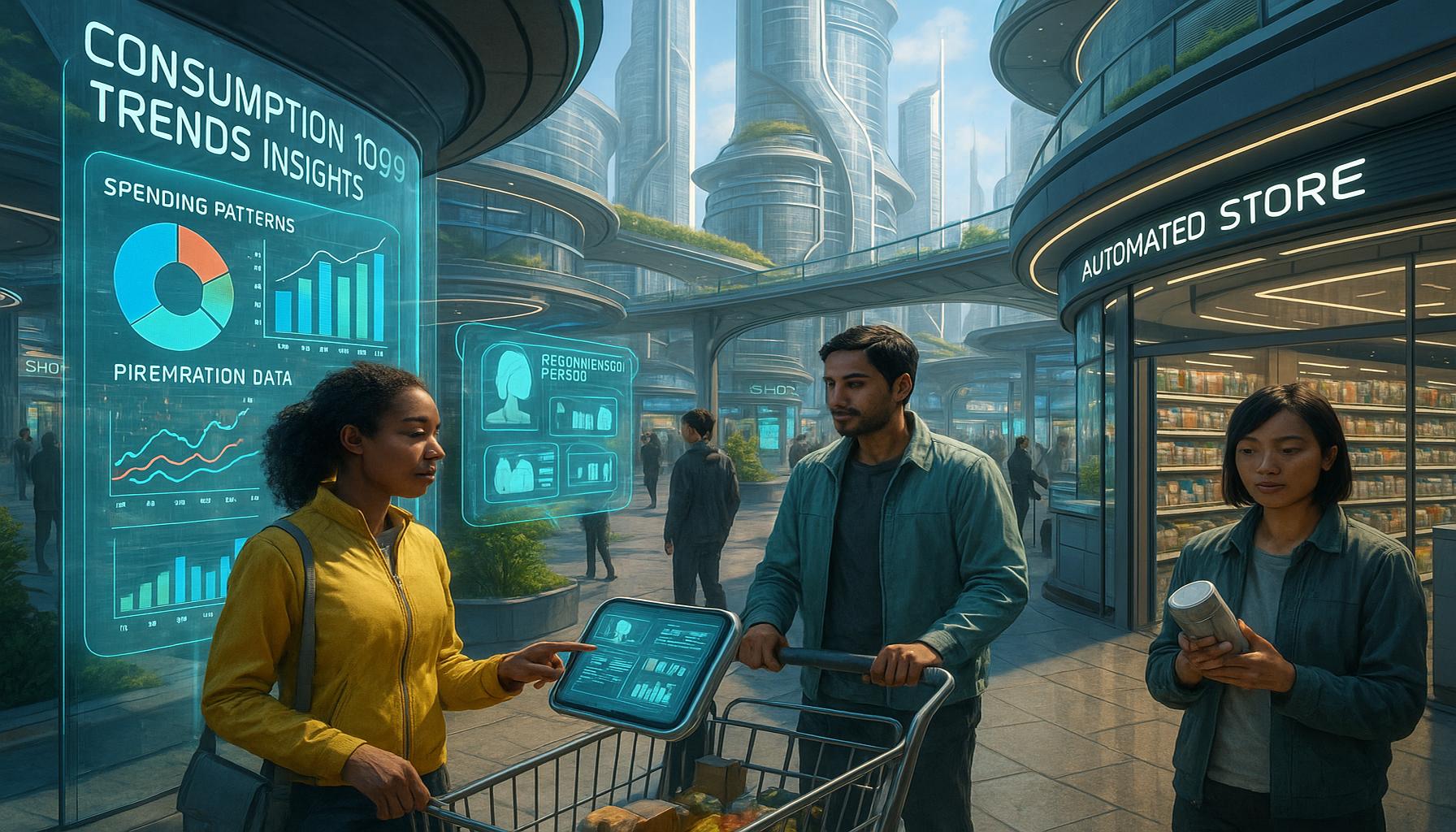
Understanding the Financial Evolution
The financial landscape is evolving rapidly. By 2099, consumer behavior will be shaped by technological advancements and socio-economic shifts that redefine spending patterns. The confluence of these forces will not only reshape how individuals manage their finances but also influence the broader economic environment.
Forecasts indicate several significant trends that will dominate the market:
- Digital Currency Adoption: The rise of cryptocurrencies and central bank digital currencies (CBDCs) is likely to establish these digital assets as the primary medium of exchange. For example, countries like China are already testing their digital yuan, which could pave the way for other nations to follow suit. Statistically, reports predict that by 2030, up to 40% of global transactions could utilize digital currencies, thus redefining payment mechanisms and cross-border transactions.
- Green Financing: As climate change becomes a pressing issue, consumers may prioritize sustainable products, driving demand for eco-friendly investments. A recent study by the Global Sustainable Investment Alliance suggests that sustainable investments reached over $35 trillion in assets globally as of 2020, reflecting a $14 trillion increase from just two years prior. In the U.S., millennials and Gen Z consumers are leading this charge, as they are more likely to purchase products from brands committed to sustainability and ethical practices.
- AI Personal Financial Advisors: The integration of artificial intelligence into personal finance could transform how individuals manage their assets. Automated systems might manage individual finances, offering tailored advice without human intervention. According to a recent survey by PwC, over 50% of respondents indicated a willingness to use AI-driven services for budgeting and expense tracking, emphasizing a trust in technology to manage financial matters.
Financial data gleaned from recent reports reveals distinctive consumer preferences aligning with these trends. For instance, studies project that over 80% of transactions could be conducted digitally, reflecting the shift towards a cashless society. This evolution raises questions about security and privacy, prompting consumers to reconsider how they safeguard their financial information.
Moreover, research shows that millennials and Gen Z will increasingly influence market dynamics, favoring experiences over possessions. This demographic shift indicates a fundamental change in spending behavior, focusing more on travel, dining, and experiential services rather than material goods. Companies will need to adapt swiftly to cater to a more conscious and informed consumer base, potentially reshaping marketing strategies and product offerings.
In this article, we will explore the implications of these trends on the economy, including how shifts in consumer behavior could affect inflation rates, interest rates, and market volatility. Additionally, we will discuss the financial strategies consumers may adopt to navigate this future landscape, such as diversification of investments into green industries and leveraging technology for better financial management.
DISCOVER MORE: Click here for insights on the evolution of privacy laws
Transforming Consumer Behavior Through Digitalization
As we approach 2099, the digital transformation of financial transactions is poised to be revolutionary. The continuing adoption of digital currencies will define how consumers interact with their finances. Projections suggest that the utilization of cryptocurrencies and CBDCs will facilitate smoother and faster transactions globally, ensuring that over 80% of financial exchanges occur through digital mediums. This shift relies heavily on advancements in blockchain technology which enhance both security and transparency, making consumers more confident in their online transactions.
However, this increasing reliance on digital currencies raises significant concerns about security and privacy. A recent study from the Cyber Analytics Institute indicated that cases of digital fraud may quadruple as transaction volumes rise. Consequently, consumers are investing in advanced security measures and are gravitating toward platforms that offer enhanced protection features. The implications of this evolution also extend to how consumers maintain financial records, leading to a decline in cash transactions and a growing demand for secure digital wallets.
The Rise of Green Financial Practices
Another emerging trend gaining traction is the emphasis on green financing. Consumers in 2099 are expected to demand greater transparency and accountability from brands regarding their environmental impact. Numerous reports project that by the end of the next decade, green investments will account for a significant share of global portfolios. In fact, research from the Green Finance Network indicates that millennials and Gen Z will drive this change, as they are more inclined to support businesses that commit to sustainability practices. This market shift reflects not only a change in consumer preferences but also encourages companies to adopt robust environmental, social, and governance (ESG) frameworks.
- Values-Driven Consumption: Consumers are increasingly prioritizing products and services that align with their values, particularly concerning environmental sustainability.
- Investment in Green Technologies: A notable portion of personal investment portfolios will reflect a commitment to green technologies, leading to enhanced financial backing for renewable energy resources.
- Corporate Accountability: Companies will be compelled to demonstrate progress on sustainability metrics or risk losing market share to more conscientious competitors.
As financial institutions adapt to these consumer demands, we can expect to see innovative financing products tailored to invest in sustainability, fostering a marketplace that rewards responsibility. The financial data surrounding these trends clearly indicates a shift where consumers are not merely passive participants but are actively influencing market dynamics through their purchasing and investment behaviors.
The Role of AI in Financial Management
With the integration of artificial intelligence (AI) in personal finance, consumers will have access to tools that provide autonomous management of their assets. Financial data reveals that users of AI-driven personal finance applications report improved financial literacy and better financial outcomes. Over half of respondents in recent surveys express confidence in using AI for tasks like budgeting and monitoring expenses. These tools could facilitate a more engaged and informed consumer base, capable of making smarter investment decisions.
By 2099, as AI tools evolve, we can anticipate an increasingly personalized approach to managing finances, wherein consumers will receive tailored recommendations based on analysis of their spending habits and investment goals. This personalization reinforces the necessity for consumers to critically evaluate the platforms they interact with in managing their finances.
In conclusion, the trajectory of consumer trends for 2099 outlines a future where digital currencies, sustainability, and AI-driven financial management intertwine to create an unprecedented economic landscape. Understanding these dynamics will be crucial for both consumers and companies alike as they navigate the financial complexities of the next century.
EXPLORE MORE: Click here to discover the transformation happening in finance
Consumer Loyalty and Brand Engagement in a Digital Era
As the digital landscape evolves, so too do the dynamics of consumer loyalty and brand engagement. By 2099, research is anticipated to show that brands that leverage deep data analytics are significantly more successful in cultivating loyalty among consumers. Financial data indicates that up to 75% of consumers are likely to remain loyal to brands that personalize their purchasing experiences using artificial intelligence and machine learning.
In fact, a study conducted by Future Brand Insights suggests that consumers, especially the tech-savvy younger generations, are increasingly inclined to form emotional connections with brands that deliver seamless and intuitive shopping experiences. Notably, this trend highlights the shift from mere transactional relationships toward building trust and engagement. Attributes such as feedback responsiveness, personalized content delivery, and virtual assistance become critical determinants of brand loyalty, with data showing that engaged consumers spend 40% more annually on their favorite brands compared to less engaged shoppers.
The Impact of Subscription Services and Membership Models
The rise of subscription-based services is another key trend shaping consumer preferences in 2099. With financial data reflecting that nearly 60% of all transactions in various consumer sectors are derived from recurring revenue models, brands are shifting towards subscription and membership models to establish ongoing customer relationships. This trend extends beyond traditional entertainment and software industries to grocery, health, and beauty sectors, fueling a transformation in how consumers purchase everyday products.
- Revenue Predictability: Brands find that subscription models enable predictable revenue streams and enhance consumer engagement, as customers make upfront commitments to their services or products.
- Consumer Advantages: Subscribers often enjoy perks such as exclusive access to new products, discounted pricing, and curated selections, thus enhancing their overall purchasing experience.
- Churn Rates: Brands are acutely focused on minimizing churn rates by employing sophisticated analytics to understand consumer behavior, effectively incentivizing users to remain committed to their services.
Moreover, financial data suggests that customers in 2099 are favoring services that offer flexibility and convenience. Therefore, newer subscription services that allow consumers to pause payments or modify their memberships tend to outperform rigid models significantly, reflecting the need for adaptability in modern consumer behavior.
Enhanced Engagement through Gamification and Rewards Programs
Another significant trend to watch is the gamification of financial services and consumer engagement strategies. As brands increasingly implement gamified elements within their marketing and loyalty programs, they tend to drive higher levels of consumer interaction and satisfaction. Financial analysis indicates that companies that gamify their loyalty initiatives see an average increase of 30% in customer retention, as these programs often incentivize behaviors through rewards, badges, or marketplace currencies.
Consumers of the future are expected to respond positively to experiences that transform mundane tasks—such as budgeting or shopping—into games, making financial literacy more engaging and enjoyable. As brands explore innovative ways to reward consumers for participation, the consumption landscape becomes more interactive. By 2099, it’s projected that around 50% of consumers will interpret engagement through gaming experiences as part of their financial health journey.
In this rapidly developing environment, understanding these trends will not merely be advantageous but essential for companies seeking to capture and retain consumer attention in 2099 and beyond. The financial implications of these evolving behaviors will shape how brands strategize their offerings and engage with their consumers consistently.
DIVE DEEPER: Click here to uncover the trends</a
Conclusion
The consumer landscape in 2099, as illuminated by comprehensive financial data, reveals profound shifts in purchasing behavior, brand loyalty, and engagement strategies. As we have explored, the integration of advanced technologies like artificial intelligence and machine learning plays a pivotal role in cultivating consumer loyalty. Brands that personalize experiences are not just enhancing retention; they are likely to see 75% of their customers remain loyal, thus driving sustainable revenue growth.
The surge into subscription models marks a significant transition in consumer goods and services, with nearly 60% of transactions coming from recurring revenue streams by mid-century. This shift underscores a critical move towards fostering long-term relationships rather than one-time purchases. Consumers appreciate the added value in subscription services, from exclusive offers to personalized selections, thereby making them essential for any brand aiming for relevance in the future marketplace.
Moreover, the incorporation of gamification elements into consumer engagement strategies has proven to resonate well, as evidenced by a 30% increase in customer retention among brands that employ such tactics. As financial data suggests, engagement will increasingly be correlated with successful gamification, leading consumers to find enjoyment in otherwise mundane financial tasks.
In conclusion, the implications of these consumer trends are vast, presenting both challenges and opportunities for brands in the United States and beyond. Companies that can adapt to these evolving dynamics—leveraging data analytics, offering flexible subscription models, and implementing engaging loyalty programs—will not only stay ahead of the competition but will also foster deeper emotional connections with consumers. As we look towards 2099, the ability to understand and respond to these trends will be imperative in shaping the future of consumer finance and retail.
Related posts:
Innovative Startups That Are Revolutionizing the Financial Sector
How changes in interest rates affect small businesses
The role of cryptocurrencies in the future of finance
Strategies for Small Businesses to Thrive in Times of Economic Crisis
The Gig Economy and Participation in the Stock Market: Trends among Freelancers and Side Jobs
The Evolution of Information Privacy Laws in the United States

Linda Carter is a writer and financial expert specializing in personal finance and investments. With extensive experience helping individuals achieve financial stability and make informed decisions, Linda shares her knowledge on the Curiosidade Atual platform. Her goal is to provide readers with practical advice and strategies for financial success and smart investments.