
Investing in Cryptocurrencies: What You Need to Know in 2023
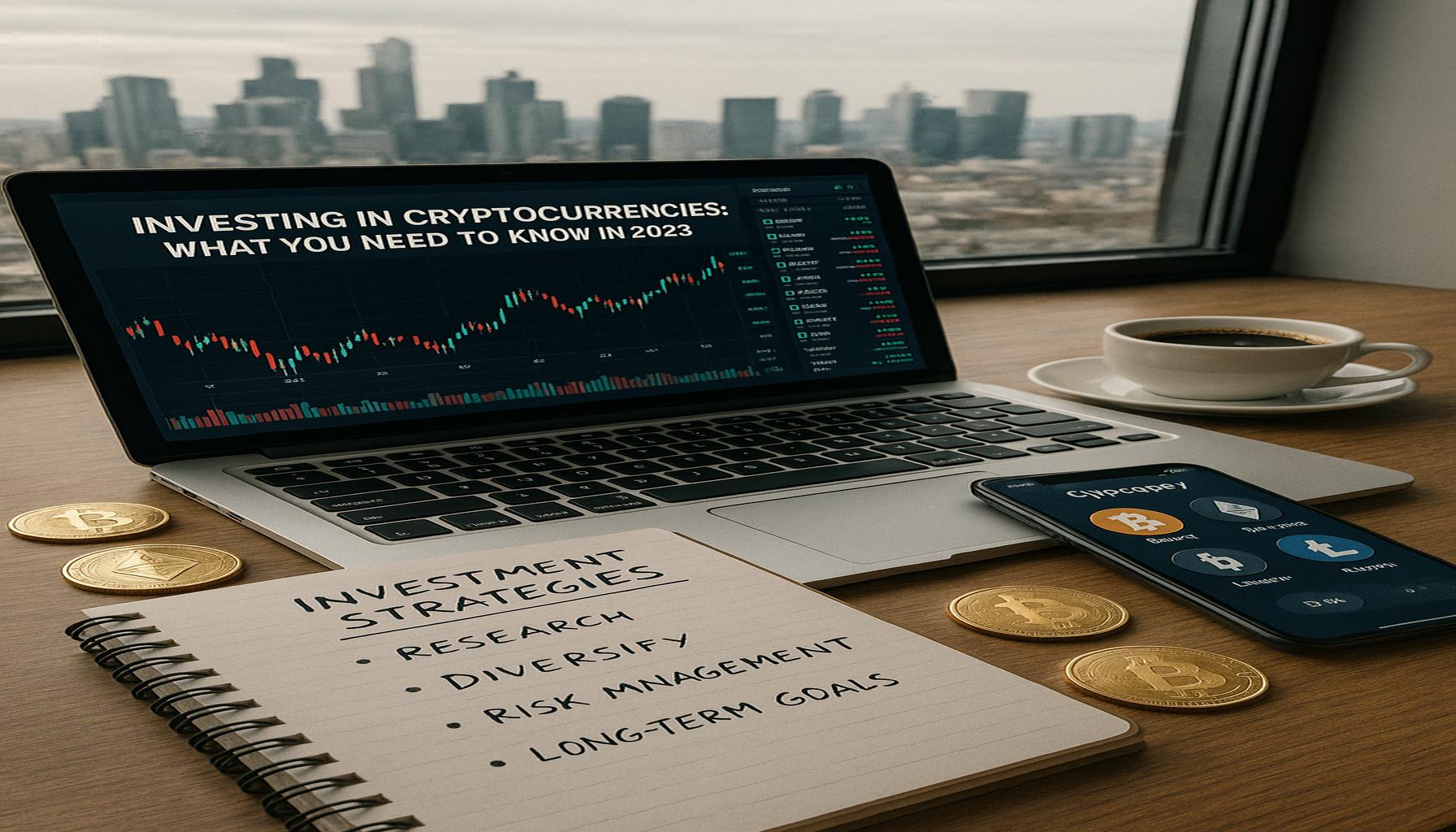
The Evolving Landscape of Cryptocurrency Investment
The world of cryptocurrencies continues to evolve rapidly in 2023, presenting both opportunities and challenges for investors. As digital currencies gain traction, it’s essential to grasp the fundamentals of investing in this volatile market. Understanding key concepts and strategies can significantly impact your investment journey.
Market Volatility
Market volatility is a defining characteristic of cryptocurrency investments. Prices can fluctuate dramatically within a single day, sometimes even within minutes. This erratic behavior can be attributed to various factors, including changes in supply and demand dynamics, macroeconomic news, technological advancements, and market sentiment, which is often fueled by social media trends or influential figures. For instance, the price of Bitcoin rose sharply in 2021, propelled by institutional investments and the growing acceptance of cryptocurrencies in mainstream finance, only to see significant declines in response to regulatory fears in 2022. Investors need to be prepared for such swings and develop a tolerance for risk, as they can lead to substantial gains or losses.
Diverse Offerings
The cryptocurrency market is vast, with thousands of options available. While Bitcoin and Ethereum remain the most recognized and widely traded, there are numerous altcoins that offer unique features and investment opportunities. For example, Cardano is known for its focus on scalability and sustainability, while Solana boasts impressive transaction speeds and lower fees, making it an attractive option for decentralized applications. However, potential investors must carefully consider the risk profiles and underlying fundamentals of these assets before diving in, as some may display high volatility without solid backing.
Regulatory Landscape
The regulatory landscape surrounding cryptocurrencies is continually evolving, especially in the United States. Increasingly, government agencies are implementing laws regarding the trading, taxation, and reporting of cryptocurrencies. For instance, the IRS classifies cryptocurrencies as property, meaning that capital gains taxes apply to transactions involving the purchase or sale of digital assets. Additionally, bills aimed at enhancing consumer protections and enabling more straightforward guidelines for blockchain technology are being discussed. Investors who are unaware of or fail to comply with these regulations could face significant repercussions, including fines or legal penalties.
Risk Management Strategies
Investors should also be aware of common mistakes that can lead to significant losses. Implementing risk management strategies is vital for navigating this unpredictable market. This includes setting clear limits on investments, using stop-loss orders, and diversifying portfolios across different asset classes, which can mitigate the impact of any single asset’s poor performance. For instance, rather than going all-in on one cryptocurrency, a balanced portfolio may include a mix of established coins and promising altcoins, helping to cushion against dramatic market fluctuations.
Understanding Blockchain Technology
Another vital factor in cryptocurrency investing is an understanding of the technology behind these digital currencies, particularly blockchain. This decentralized ledger technology underpins most cryptocurrencies, offering transparency and security. Educated investors see beyond merely buying low and selling high; they recognize the long-term potential of these technologies to disrupt traditional finance, supply chains, and various industries. Conducting thorough research, including staying updated on trends and developments, is crucial before making any investment decisions.
In summary, the cryptocurrency landscape presents both risks and rewards. By understanding market volatility, exploring diverse offerings, staying informed on regulatory changes, implementing sound risk management strategies, and grasping the underlying technology, investors can navigate this exciting yet complex market more effectively.
DIVE DEEPER: Click here to learn how to apply
Key Considerations for Successful Cryptocurrency Investing
To navigate the complexities of cryptocurrency investing successfully, it’s crucial to consider several key factors. These elements not only inform investment strategies but also help in developing a sound understanding of the digital currency landscape.
Research and Due Diligence
Conducting thorough research and due diligence is paramount for prospective cryptocurrency investors. With the proliferation of thousands of cryptocurrencies, distinguishing between credible projects and potential scams can be daunting. Evaluating factors such as the team behind a cryptocurrency, its technology, use case, and roadmap can provide essential insights into its viability.
Some critical questions to ask include:
- Who are the developers, and what is their track record?
- Does the project have a clearly defined purpose or problem it solves?
- What partnerships or collaborations has the project established?
- How does the cryptocurrency differ from its competitors?
By applying a diligent approach to research, investors can make more informed decisions, safeguarding themselves against the inherent risks associated with this nascent market.
Long-Term vs. Short-Term Investment Strategies
Another critical aspect of cryptocurrency investment is understanding the distinction between long-term and short-term strategies. Each approach carries its own risks and rewards, making the alignment with personal financial goals essential. Long-term investors often adopt a buy-and-hold strategy, believing in the future potential of cryptocurrencies as the technology matures and market adoption increases. This requires patience and the ability to withstand market volatility.
Conversely, short-term traders, or “day traders,” often react to price movements and market sentiment. Their focus is on timing the market to capitalize on rapid price changes, utilizing technical analysis and market indicators to inform their decisions. However, short-term trading can lead to significant financial losses if not executed with skill and experience.
Security Measures
Investors must also prioritize security measures to protect their digital assets. The risk of hacks, phishing schemes, and scams is prevalent in the cryptocurrency domain. Using reputable exchanges with strong security protocols, enabling two-factor authentication, and opting for hardware wallets for substantial holdings are essential steps in safeguarding investments.
In addition, staying informed about common security threats can help investors avoid potential pitfalls. Some recommended practices include:
- Regularly updating passwords and using unique passphrases.
- Only engaging in trades on secure and trusted exchanges.
- Ensuring that software wallets are kept up to date.
- Beware of unsolicited communications that seek private security information.
Securing digital assets should be a fundamental component of any cryptocurrency investment strategy to enhance protection against external threats.
In conclusion, successful cryptocurrency investing in 2023 requires a multi-faceted approach that incorporates disciplined research, strategic alignment with investment goals, and robust security measures. By maintaining a comprehensive understanding of these essential components, investors can better navigate the complexities of this ever-evolving market.
DIVE DEEPER: Click here to uncover the latest trends
Market Trends and Regulatory Environment
As cryptocurrency investing evolves, staying informed about market trends and the regulatory environment is paramount for investors. These external factors can significantly influence investment decisions and the overall viability of the cryptocurrency market.
Current Market Trends
In 2023, investors are witnessing a notable shift in market dynamics characterized by the growing acceptance of cryptocurrencies in mainstream finance. Major companies such as Tesla and Square have integrated cryptocurrencies into their payment solutions, while institutions like Fidelity have started offering cryptocurrency investment options as part of retirement accounts. This institutional backing not only legitimizes cryptocurrencies but also serves to propel their adoption among individual investors.
Moreover, the emergence of Decentralized Finance (DeFi) has transformed the investment landscape, providing individuals with innovative ways to lend, borrow, and trade cryptocurrencies without intermediary institutions. DeFi platforms have gained significant traction, with Total Value Locked (TVL) reaching milestones that rival traditional financial products. For instance, data from DeFi Pulse indicates that the TVL in DeFi hit over $100 billion in early 2023, illustrating the sector’s growth and its implications for traditional finance.
In response to these developments, cryptocurrencies are increasingly viewed as a hedge against inflation, especially in light of ongoing economic challenges in the United States. With inflation rates fluctuating, many investors are looking to digital assets to preserve their purchasing power, leading to increased demand and price appreciation in the cryptocurrency markets.
Regulatory Landscape
The regulatory landscape for cryptocurrencies is another crucial element shaping the investment environment. Governments are actively working towards defining and implementing regulations that govern the use and trading of cryptocurrencies. In 2023, we have seen various approaches from different regulatory bodies, which have a direct impact on investor sentiment.
For example, the Securities and Exchange Commission (SEC) in the United States continues to scrutinize Initial Coin Offerings (ICOs) while increasing its focus on ensuring that cryptocurrency exchanges operate transparently and securely. Recent proposals to introduce stricter regulations for stablecoins aim to safeguard investors while mitigating potential financial system risks.
In contrast, jurisdictions like El Salvador have embraced cryptocurrencies, adopting Bitcoin as legal tender to stimulate economic growth. Such divergent regulatory stances can influence market behavior significantly, as investors may favor projects based in jurisdictions with favorable regulations.
Tax Implications
Another pivotal aspect of cryptocurrency investing that often gets overlooked is the tax implications associated with digital asset transactions. In the United States, the Internal Revenue Service (IRS) treats cryptocurrencies as property for tax purposes, necessitating that investors report capital gains and losses when trading or using cryptocurrencies. Understanding the tax liabilities stemming from trading activities, earning interest from DeFi platforms, or simply holding assets is fundamental to maintaining compliance and optimizing tax strategies.
As of 2023, investors engaged in cryptocurrency transactions must keep precise records of every trade, including the date, value at the time of the transaction, and nature of the transaction to accurately report income and avoid potential penalties. Furthermore, incorporating consultation with tax professionals who understand cryptocurrency laws can provide relative clarity to one’s investment strategy and ensure adherence to tax regulations.
By critically analyzing these market trends, regulatory environments, and the potential tax implications, cryptocurrency investors can better navigate the complexities of investing in a rapidly evolving landscape. Staying abreast of these factors will empower investors to make informed decisions aligned with their financial goals.
DISCOVER: Click here to find out how mergers and acquisitions impact the financial market
Conclusion
In 2023, the landscape of cryptocurrency investing presents both opportunities and challenges that require careful consideration. With the increasing integration of cryptocurrencies into mainstream financial systems and the growth of Decentralized Finance (DeFi), investors now have access to diverse investment avenues that can enhance their portfolios. The substantial rise in Total Value Locked in DeFi underscores the shifting paradigms that traditional finance is undergoing, reflecting a pivotal moment for both newcomers and seasoned investors.
However, the evolving regulatory environment cannot be overlooked. The juxtaposition of strict regulations by authorities like the SEC with progressive acceptance in other jurisdictions illustrates the need for investors to remain vigilant and adaptable. Understanding local and federal regulations will not only help mitigate risks but also inform investment strategies moving forward. As these regulations shape the market’s dynamic, they serve as both a safety net and a potential barrier to entry for many.
Moreover, being aware of the tax implications associated with cryptocurrency transactions is essential. The IRS guidelines demand precise record-keeping, making it imperative for investors to approach their digital transactions with a structured strategy. Consulting tax professionals can provide clarity and aid in optimizing tax obligations, ensuring compliance while maximizing gains.
In conclusion, investing in cryptocurrencies in 2023 requires a multifaceted approach, carefully balancing potential risks with the myriad opportunities available. By staying informed on market trends, regulatory shifts, and tax responsibilities, investors can position themselves to navigate this complex yet rewarding landscape with confidence and prudence.
Related posts:
The impact of climate change on the global economy
Behavioral Finance: Understanding Investor Psychology in the Current Stock Market Climate
Virtual Realities: The Impact of Technology on American Mental Health and Well-Being
Emerging Trends in the Commercial Real Estate Market
Privacy in the Digital Age: Analyzing America's Evolving Relationship with Personal Data
The role of female entrepreneurship in economic growth

Linda Carter is a writer and financial expert specializing in personal finance and investments. With extensive experience helping individuals achieve financial stability and make informed decisions, Linda shares her knowledge on the Curiosidade Atual platform. Her goal is to provide readers with practical advice and strategies for financial success and smart investments.