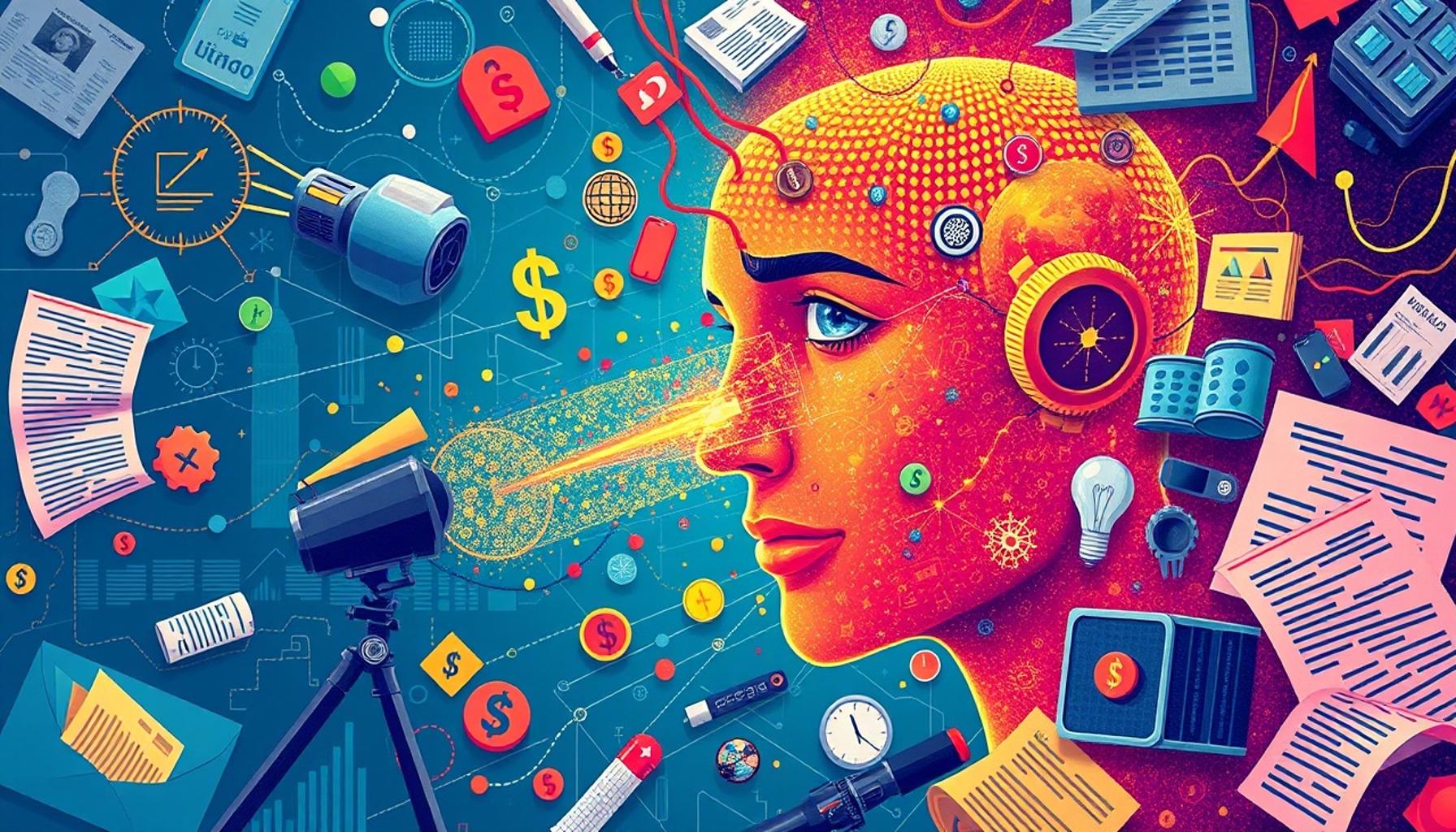
The Revolution of Artificial Intelligence in Elections: Challenges and Opportunities

The Role of AI in Transforming Elections
In recent years, artificial intelligence (AI) has emerged as a powerful tool that is reshaping many sectors, including politics. The integration of AI into election processes presents a unique blend of challenges and opportunities, influencing everything from voter engagement to data analysis.
Key Areas of AI Integration in Elections
As the electoral landscape evolves, it is crucial to understand how AI is transforming this domain. Some key areas where AI plays a significant role include:
- Voter Targeting: AI utilizes sophisticated algorithms to analyze voter data and identify specific demographics. For example, during the 2020 U.S. presidential election, campaigns used AI tools to determine which segments of the population could be swayed by their messages, allowing for tailored outreach efforts designed to resonate with diverse groups. This targeted approach increases the likelihood of voter engagement and turnout.
- Campaign Strategy: AI is invaluable in analyzing vast amounts of data from previous elections, social media interactions, and polling results. By processing this information, campaigns can discern the most effective messaging and outreach tactics. For instance, an AI system can predict which issues matter most to certain demographics, helping candidates focus their campaigns on relevant topics that elicit voter enthusiasm.
- Election Security: AI enhances the integrity of elections through advanced security measures to combat fraud. AI systems can monitor voting patterns in real time, detect anomalies, and alert officials to potential security breaches. These measures can help ensure smoother election processes, leading to increased public confidence in the electoral system.
Ethical and Practical Challenges
Despite its benefits, the application of AI in elections raises significant ethical and practical concerns. Some of the most important challenges include:
- Privacy: The collection and use of personal data can lead to potential violations of voter privacy. For example, if campaigns overreach, they may utilize sensitive information obtained without consent, undermining trust in the electoral process.
- Bias: AI systems can inadvertently perpetuate existing biases, affecting election fairness. If the data used to train these systems reflects historical biases, the algorithms may reinforce rather than reduce disparities, putting particular groups at a disadvantage during elections.
- Manipulation: The potential for misinformation campaigns using AI-generated content poses a significant threat. Misinformation, designed to deceive voters, can spread rapidly through social media platforms, making it challenging for voters to discern credible information from fabrications.
Navigating the Future of AI in Elections
Understanding these dynamics is essential for navigating the future of elections. As we delve deeper into the role of AI in politics, it is critical to harness AI for good while addressing the accompanying challenges. By implementing transparent practices and ensuring ethical standards are met, we can maximize the effectiveness of AI in enhancing democratic processes while protecting the principles of fairness, privacy, and integrity.
LEARN MORE: Click here to explore financial strategies for your future
Revolutionizing Voter Engagement and Campaign Dynamics
The integration of artificial intelligence (AI) into elections offers innovative approaches to voter engagement and campaign dynamics, fundamentally changing how candidates connect with the electorate. By harnessing AI technologies, political campaigns can craft more effective strategies, engage with voters on a deeper level, and foster increased participation in the democratic process.
Enhancing Voter Engagement
AI-driven tools make it easier for campaigns to reach potential voters and facilitate meaningful interactions. This technology enables candidates to better understand their constituencies’ needs and concerns, resulting in more personalized communications. For instance, campaigns can employ AI chatbots on their websites and social media platforms to provide immediate responses to voter inquiries. These chatbots can analyze the questions asked and tailor responses that resonate with individual voters, thereby increasing engagement.
Moreover, social media algorithms powered by AI play a crucial role in personalized content delivery. By analyzing user behavior and preferences, these algorithms allow campaigns to push targeted advertisements to specific voter groups. This level of customization helps to ensure that the messages reach the right crowds, making it more likely for voters to respond positively to campaign outreach.
The Role of Data Analytics in Campaign Development
The use of AI can significantly improve campaign strategy development through data analytics. Political analysts can sift through vast datasets, including past election results, demographic information, and current societal trends, to forecast voting patterns and understand voter sentiment more effectively. For example, AI tools can identify shifts in public opinion regarding key issues such as healthcare or climate change, equipping campaigns with relevant information to adjust their messaging strategies accordingly.
Additionally, predictive analytics enables campaigns to allocate resources more efficiently. Instead of spending time and money on blanket strategies, campaigns can funnel their efforts into targeted regions or voter demographics where they can maximize their influence. This efficiency not only conserves campaign resources but also enhances the overall effectiveness of election-related outreach.
Facilitating Real-Time Feedback
AI also facilitates real-time feedback mechanisms, empowering campaigns to adapt their strategies dynamically. By monitoring social media trends and engagement metrics continuously, campaigns can assess how well their messages are resonating. If a particular ad or platform is underperforming, AI tools can quickly identify these shortcomings, allowing for immediate course corrections. This agility is crucial in maintaining voter interest and enthusiasm throughout a campaign.
Furthermore, AI can contribute to grassroots movements by identifying and mobilizing volunteers who are passionate about specific issues. Using machine learning algorithms to analyze volunteer networks and local community interests can help align campaign resources with the right supporters, creating a more connected and engaged activist base.
In conclusion, the advent of AI in elections signifies a monumental shift in how candidates interact with voters, analyze data, and develop campaign strategies. While these developments herald substantial opportunities for enhancing democratic participation, they also raise significant ethical considerations that demand careful navigation.
DISCOVER MORE: Click here to uncover the opportunities and challenges of the gig economy</p
Addressing Ethical Challenges and Ensuring Transparency
While AI brings numerous opportunities for enhancing engagement in elections, it also raises important ethical challenges that must be addressed to maintain the integrity of the democratic process. As technology evolves, so too does the complexity of safeguarding voter data, ensuring fairness in campaign practices, and mitigating misinformation.
Data Privacy and Voter Consent
The use of AI in political campaigns often depends on collecting vast amounts of data from voters, including personal preferences and behavioral patterns. This reliance on data intensifies concerns over voter privacy. Campaigns must navigate the delicate balance between gaining useful insights and respecting individuals’ rights to keep their information private. For instance, recent high-profile scandals involving data breaches and the misuse of personal information have heightened public awareness and skepticism toward data collection practices.
To maintain trust, campaigns need to establish clear policies around data consent. Implementing transparent processes that allow voters to understand how their data will be used—and giving them the option to opt out—can foster a safer and more trusting environment. Moreover, incorporating technology that anonymizes voter data can help mitigate privacy concerns while still allowing campaigns to glean valuable insights.
Combatting Misinformation and Deepfakes
Another pressing challenge associated with AI in elections is the potential for misinformation and the manipulation of information. With the rise of deepfake technology, it is now possible to create highly realistic yet entirely fabricated videos of candidates, which could easily mislead voters and skew public perception. Such manipulative tactics threaten the foundation of fair elections, as they can lead to division and distrust among constituents.
To combat this issue, it is critical for both campaigns and platforms to prioritize fact-checking and misinformation awareness. For example, social media companies have begun implementing labeling systems that identify possible misinformation, yet these measures must be continuously refined and expanded. Academic institutions and independent organizations can also play a pivotal role in researching the impacts of deepfakes and educating voters on recognizing misinformation.
Ensuring Fairness and Reducing Bias in Algorithmic Decision-Making
As much as AI can improve strategy and outreach, it can also perpetuate biases present in the data fed into algorithmic systems. If a campaign relies on biased data sources to target voters, it may inadvertently reinforce stereotypes or overlook marginalized groups. Identifying and mitigating these biases is essential to ensure that AI-driven efforts are inclusive and equitable.
Campaigns must engage in rigorous audits of their AI algorithms. This includes evaluating the datasets used for training AI models to ensure they reflect the diversity of the electorate and do not favor one demographic over another. Collaborating with diverse teams can also lead to more well-rounded perspectives on potential biases, fostering an inclusive environment that respects the voices of all voters.
The Importance of Transparency in AI Use
Transparency is perhaps the most crucial element in addressing ethical challenges associated with AI in elections. Voters need to understand how AI tools are being utilized, what data is being collected, and how decisions—such as targeted ads or outreach strategies—are made. Campaigns that embrace transparency can build trust with voters while promoting accountability in their practices.
Creating clear communication channels and materials that explain AI use and data strategies will not only inform voters but also empower them to question campaign practices where necessary. This proactive approach can contribute to a healthier democratic dialogue and resource allocation during elections.
DIVE DEEPER: Click here to learn more about information literacy
Conclusion: Navigating the Future of AI in Elections
The integration of artificial intelligence into the electoral process marks a significant shift in how democratic engagement occurs. While this revolution offers numerous opportunities for increasing voter outreach and enhancing campaign efficiency, it also brings forth a myriad of challenges that society must confront. Establishing ethical standards and transparent practices around data privacy, combating misinformation, and addressing bias in algorithmic decision-making are crucial steps toward a fairer electoral landscape.
As the technology continues to evolve, so too must the frameworks that govern its use in elections. Understanding the implications of AI is essential for all stakeholders, from campaign teams to voters. By prioritizing transparency and accountability, campaigns can foster trust and engage in a more meaningful dialogue with constituents. Educational initiatives can equip voters with the skills to discern factual information from manipulated content, further strengthening democratic processes.
Ultimately, the responsible adoption of AI in elections can lead to increased civic participation and more informed decision-making. However, it is imperative that we navigate this new terrain thoughtfully, ensuring that the values of democracy—equity, inclusivity, and integrity—are upheld at every step. By recognizing both the potential and the pitfalls of artificial intelligence, we can harness this powerful tool to enhance our electoral systems while protecting the fundamental rights of voters.
Related posts:
Artificial Intelligence and Sustainability: Technological Solutions for Environmental Challenges in ...
How to Get Clothes from Shein Easy Steps to Shop Save Now
The Impact of Artificial Intelligence on Data Privacy in 2023
Artificial Intelligence and Disinformation: How to Combat Fake News in the Digital World
Demystifying the Stock Market: A Beginner's Guide
The Rise of Central Bank Digital Currencies in 2099

Linda Carter
Linda Carter is a writer and expert known for producing clear, engaging, and easy-to-understand content. With solid experience guiding people in achieving their goals, she shares valuable insights and practical guidance. Her mission is to support readers in making informed choices and achieving significant progress.