
The trends in the digital payments sector and how they affect consumers
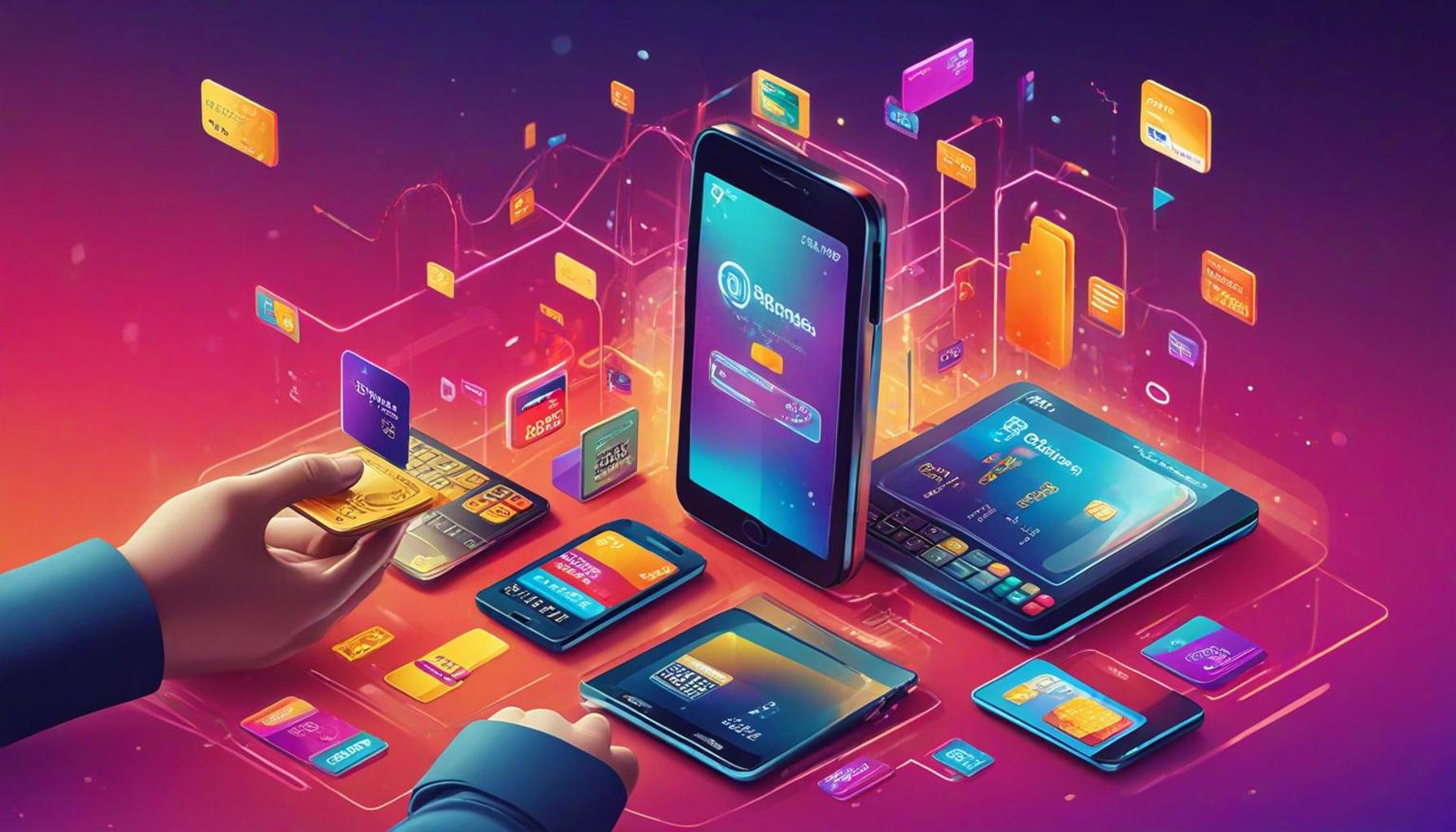
The Impact of Digital Payments on Consumer Transactions
The digital payments sector is rapidly transforming the way consumers conduct transactions. With the rise of technology, people are experiencing a shift towards more convenient and diverse payment options. This evolution brings numerous benefits, but it also raises questions about security and accessibility.
Key Developments in Digital Payments
As we explore current trends, it is essential to understand how these innovations enhance user experience while also posing unique challenges.
- Mobile Payments: Services like Apple Pay and Google Wallet allow consumers to make purchases using their smartphones, streamlining the shopping experience. These applications use Near Field Communication (NFC) technology, enabling transactions at compatible point-of-sale systems by merely tapping a smartphone. For example, a busy New Yorker can pay for their morning coffee simply by waving their phone over the contactless reader, eliminating the need to rummage through a wallet for cash or cards.
- Cryptocurrency: Digital currencies, such as Bitcoin and Ethereum, are gaining traction as alternative payment methods, appealing particularly to tech-savvy individuals. While still not universally accepted, numerous retailers and online platforms are beginning to include cryptocurrencies among their payment options. For instance, some online gaming platforms or tech merchandisers allow customers to pay with Bitcoin, creating new opportunities for transactions and investment in this decentralized currency market.
- Buy Now, Pay Later (BNPL): This service enables consumers to make purchases and pay for them in installments, making it easier to manage finances. Popularized by platforms such as Afterpay or Klarna, BNPL allows individuals, especially younger consumers, to spread out their payments. For example, someone might purchase a new laptop priced at $1,200 and choose to pay in four interest-free installments of $300 every two weeks. This method can enhance buying power, but it also requires careful financial planning to avoid potential debt accumulation.
The Broader Implications of Digital Payment Trends
These trends are reshaping consumer behavior and expectations. As digital payment solutions become more integrated into daily life, understanding their implications is crucial. Not only do these systems enhance convenience, they often improve transaction speed and reduce physical contact—important aspects in a post-pandemic world.
However, alongside the benefits, challenges abound. Security concerns regarding data breaches are prevalent; consumers must be vigilant in protecting their personal and financial information. Additionally, not all demographics may have equal access to these technologies, raising issues about equity and inclusivity in financial services. For instance, those without access to smartphones or reliable internet may find themselves marginalized in a predominantly digital landscape.
In summary, while digital payment trends like mobile payments, cryptocurrencies, and BNPL services offer exciting possibilities, they also necessitate a careful evaluation of security measures and accessibility considerations. Understanding these dynamics will enable consumers to navigate the evolving payment landscape effectively.
SEE ALSO: Click here to read another article
Emerging Trends Shaping the Digital Payments Landscape
As the digital payments sector continues to evolve, various emerging trends are shaping the way consumers interact with their finances. Understanding these developments can empower individuals to make better choices regarding their spending, budgeting, and saving. These trends are not only enhancing the payment experience but are also influencing consumer behavior in significant ways.
Enhanced User Experience through Integration
One of the most noticeable trends in digital payments is the increasing integration of payment systems into everyday applications and platforms. Convenience is paramount, and tech companies are responding by making transactions as seamless as possible. For example, consumers can now make purchases directly through social media platforms like Instagram or Facebook, streamlining the buying process. This integration allows for a simplified customer journey where users can discover products, learn about them, and make purchases without leaving the app.
The Rise of Subscription Services
Another trend making waves in the digital payments space is the growing popularity of subscription services. Companies like Netflix, Spotify, and various meal kit delivery services offer users the option to subscribe for regular access to their offerings. This model appeals particularly to consumers looking for convenience and value. With automatic payments linked to credit or debit cards, users can enjoy uninterrupted access to services without the hassle of individual transactions. However, subscribers must remain vigilant about monitoring their subscriptions to avoid unwanted surprises in their bank statements, such as unexpected subscription renewals.
Contactless Payments and Their Advantages
It’s also essential to highlight the increased adoption of contactless payments, which have surged in popularity due to their efficiency and safety. As consumers become increasingly aware of hygiene and safety, particularly in light of recent global health crises, contactless payment methods, such as NFC-enabled cards and mobile wallets, provide a fast, secure, and touch-free option at checkouts. Retailers benefit as well; studies show that contactless transactions can speed up service times, resulting in higher customer satisfaction.
Digital Wallets and Their Growing Importance
The proliferation of digital wallets, such as PayPal, Venmo, and Cash App, has further revolutionized how consumers manage their money. Users can store multiple payment methods, making it convenient to transfer money to friends or family or pay for goods and services without the need to carry cash. This flexibility has made digital wallets indispensable for younger generations who seek speed and convenience. Additionally, many digital wallets now offer rewards programs or cash-back incentives, providing added motivation for consumers to adopt these platforms.
While these trends in digital payments provide substantial benefits to consumers, they also necessitate a cautious approach. Users must ensure they are informed about the potential risks associated with each new technology. By understanding both the advantages and challenges that arise from these developments, consumers can navigate this growing digital landscape with confidence.
SEE ALSO: Click here to read another article
The Impact of Security Features on Consumer Trust
As the adoption of digital payments increases, so does the emphasis on security. Consumers are becoming increasingly aware of their financial safety, which has led to the integration of advanced security features within payment systems. For instance, biometric authentication methods, such as fingerprint recognition or facial recognition, are becoming commonplace in mobile wallets and banking apps. These features not only enhance security but also promote consumer trust, as users feel more confident knowing that their information is protected against fraud and theft.
Decentralized Finance (DeFi) and Its Consumer-Centric Innovations
Another significant trend is the rise of decentralized finance (DeFi), which utilizes blockchain technology to provide financial services without traditional intermediaries, like banks. DeFi platforms enable consumers to lend, borrow, and earn interest on cryptocurrencies and other digital assets directly. This trend brings the potential for greater financial inclusion, particularly for those who lack access to conventional banking services. For example, individuals from underserved communities can participate in financial markets without the barriers often imposed by banks, offering them more opportunities to build wealth.
The Influence of Cryptocurrencies on Consumer Spending Habits
The growing acceptance of cryptocurrencies as a payment method is another trend worth noting. More retailers are beginning to accept Bitcoin, Ethereum, and other digital currencies for everyday purchases. This shift can influence consumer spending habits significantly. As cryptocurrencies gain legitimacy, people may see them as a viable alternative to traditional currency, prompting them to allocate a portion of their budgets for cryptocurrency transactions. It’s essential for consumers to understand the volatility associated with these digital currencies, as their values can fluctuate dramatically, which can impact purchasing power.
Personal Finance Apps and Budgeting Tools
Moreover, the integration of payment systems with personal finance management apps is bridging the gap between spending and budgeting. Applications like Mint and YNAB (You Need a Budget) allow users to monitor their expenses in real-time, creating a clearer understanding of their financial health. By categorizing spending patterns and providing insights, these tools help consumers make informed decisions about their finances. The convenience of linking payment methods to these apps fosters a sense of control over one’s spending and can promote healthier financial habits.
The Growing Role of Artificial Intelligence in Payment Processing
Artificial intelligence (AI) is playing an increasingly vital role in the digital payments arena, primarily through fraud detection and customer support enhancements. AI algorithms analyze transaction patterns in real-time to identify anomalies that may indicate fraudulent activity. This proactive approach offers an added layer of safety for consumers. Furthermore, AI-driven chatbots are becoming common in customer service, providing users with immediate assistance related to payment queries or transaction disputes. This constant availability helps boost customer satisfaction and ensures a smoother payment process.
While the trends shaping the digital payments sector present numerous advantages for consumers, it is crucial to remain educated about these developments. Awareness allows consumers to take full advantage of the opportunities presented by these innovations while navigating potential challenges. By embracing the changes happening in digital payments, individuals can better manage their finances and enhance their overall financial well-being.
SEE ALSO: Click here to read another article
Conclusion
The landscape of digital payments is evolving at a remarkable pace, significantly impacting how consumers manage their financial transactions. With the introduction of advanced security features, users can enjoy enhanced protection, bolstering their confidence in online transactions. As decentralized finance (DeFi) gains traction, it opens doors for greater financial inclusion, allowing individuals from underserved backgrounds to actively engage in financial markets without facing traditional barriers.
The increasing acceptance of cryptocurrencies further indicates a shift in consumer spending habits, encouraging users to consider digital currencies alongside conventional ones. However, it is essential to approach this relatively volatile landscape with caution and knowledge, as fluctuations in value can directly influence purchasing power. Meanwhile, personal finance apps are equipping consumers with tools to track their expenses and develop healthier financial habits, creating a more informed approach to budgeting.
Additionally, the integration of artificial intelligence into payment processing systems enhances security and customer support, ensuring that consumers receive timely assistance and proactive fraud protection. As technology continues to advance, staying informed about these trends is crucial for individuals aiming to optimize their financial health.
By embracing the ongoing transformations in the digital payments sector, consumers can harness the benefits of innovation while navigating potential challenges. This awareness not only empowers individuals to take control of their finances but also fosters confidence in the tools and technologies shaping the future of transactions.
Related posts:
Demystifying the Stock Market: A Beginner's Guide
The Gig Economy and Participation in the Stock Market: Trends among Freelancers and Side Jobs
Sustainable Investments: Finance with Social Responsibility
Technological Optimism vs. Technological Skepticism: Navigating the Future of America
The impact of climate change on the global economy
The Rise of Robo-Advisors: Revolutionizing Investment Strategies in the Stock Market for Millennials

Linda Carter is a writer and financial expert specializing in personal finance and investments. With extensive experience helping individuals achieve financial stability and make informed decisions, Linda shares her knowledge on the Curiosidade Atual platform. Her goal is to provide readers with practical advice and strategies for financial success and smart investments.